Search "USDA loan income limit Kansas" and a number comes back: $119,850 for a household of one to four people, current for fiscal year 2026. Search again and add "Montgomery County" to the query, and a smaller number shows up instead: $90,300 for the same size household. Both figures come from USDA Rural Development. Neither one is wrong. They're answering two different questions that happen to look like the same question.
That gap, nearly $30,000, is the kind of thing a first-time buyer in Independence tends to discover the hard way, usually right after deciding they've either qualified for zero-down financing or been priced out of it based on whichever number they happened to land on first.
Two Programs Wearing One Name
USDA runs two separate home loan programs under the "no down payment" pitch that gets repeated everywhere.
The Single Family Housing Guaranteed Loan Program is the one most online calculators quote. It's backed by USDA but issued through private lenders, and its income ceiling runs at 115% of the local area median income. For a one to four person household across most of Kansas, that works out to $119,850 for fiscal year 2026.
The Single Family Housing Direct Loan Program is a different track entirely. USDA Rural Development originates these loans itself rather than routing them through a bank, and the program is built specifically for low and very low income households. Its ceiling sits closer to 80% of area median income instead of 115%, which is the pattern that shows up when a Montgomery County income limit search returns a lower figure: $90,300 for a household of one to four, $119,200 for a household of five to eight.
Neither program checks what the other one publishes. A household earning $105,000 a year in Independence clears the Guaranteed program's ceiling comfortably and misses the Direct program's ceiling entirely, at the same address, applying on the same day.
What That Looks Like in Practice, in This County
County-level data on the USDA loans already on the books tells you which program is doing most of the work here. Montgomery County currently carries 612 USDA-backed residential loans with an average balance of $64,599. The homes behind those loans appraised at an average of $66,736 and ran roughly 1,468 square feet. Seventy-four percent of those loans went to first-time buyers, and the average borrower was 40 years old.
That's not a description of buyers stretching to the edge of a program's income ceiling to afford something unusual. It's a description of ordinary purchases at ordinary starter-home prices, which means the average USDA borrower in this county isn't testing the difference between $90,300 and $119,850. They're financing a modest home well under either number and using the loan because it happens to be the best available terms for that purchase, not because they had to thread a needle to qualify.
The information gap isn't really about who can afford a bigger loan. It's about buyers who assume they're over the income limit based on the higher statewide figure, when the loan program actually built for their situation, and their price point, uses the lower one and comes with better terms once you're inside it.
Where the Address Comes In
Income eligibility is one gate. Property eligibility is a separate one, and it runs on the address, not the buyer.
USDA sets these boundaries by population and by proximity to a metropolitan statistical area. A community with 10,001 to 20,000 residents has to sit outside a metro area and show a documented shortage of affordable mortgage credit to stay eligible. A community between 20,001 and 35,000 residents only qualifies if it carried rural status in a past census and lost it since. USDA revisits these boundaries roughly every five years, which means a map that was accurate two years ago isn't guaranteed to still be accurate today.
Independence sits well inside the size range USDA treats as rural, and that has held true across the maps published so far. But "has held true" is not the same claim as "always will," and the only way to know for certain whether a specific address currently qualifies is to check it directly against USDA's current eligibility boundaries before writing an offer, not to assume based on last year's map or a neighbor's closing.
The Details That Trip People Up
A few pieces of the income calculation catch buyers off guard regardless of which program applies:
- USDAloans.net says household income counts every adult living in the home, not just the person whose name goes on the loan. An adult child or parent with their own income living under the same roof can push a household over the limit even if they're not a borrower.
- The Mortgage Reports says documented childcare costs for children 12 and under can be subtracted from total household income before the limit gets applied, which sometimes puts a household back under a ceiling it appeared to clear.
- A lender who primarily originates Guaranteed loans may quote the higher statewide figure by default and never mention the lower Direct ceiling, simply because it's not the program they typically write.
None of this is a reason to rule a purchase in or out on your own. It's a reason to ask a specific question before you do: which program's income limit applies to my household size, at this address, and would my household also clear the other program's ceiling if it came with better terms.
Frequently Asked Questions
Does this apply to small acreage or hobby farm purchases outside town, or just homes inside city limits?
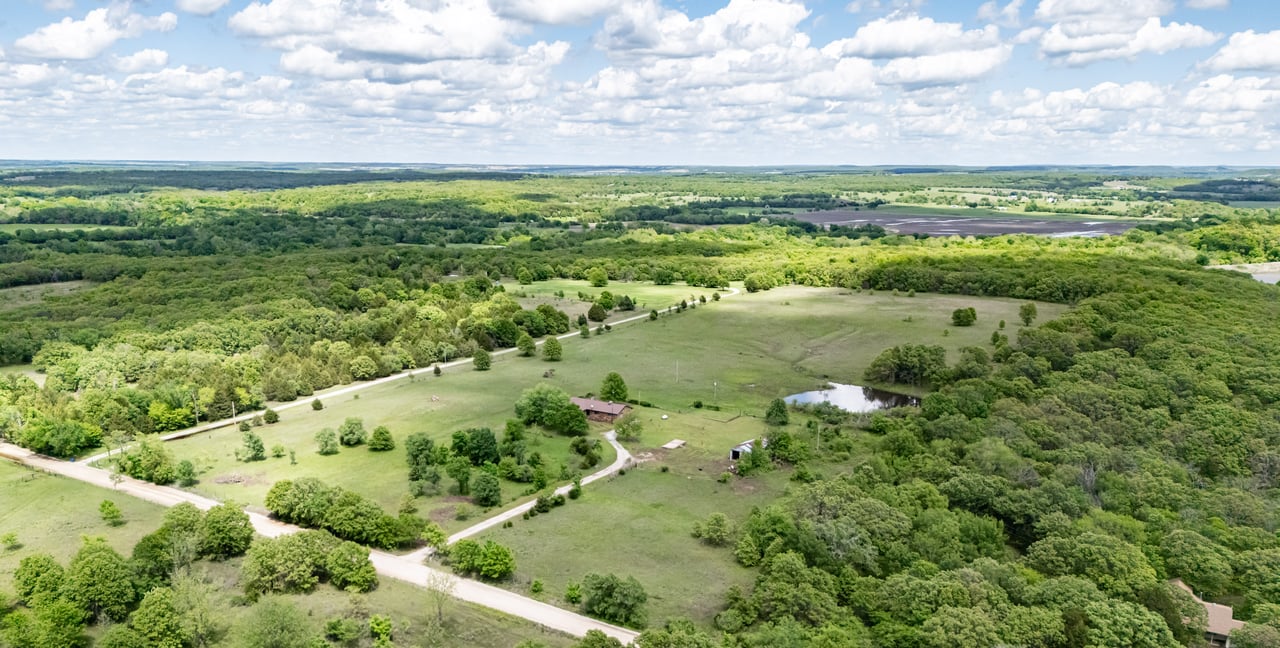
Property eligibility runs on the address's location relative to USDA's mapped rural boundaries, not on lot size. A home on a few acres outside Independence qualifies the same way a home inside city limits does, provided the address falls inside the eligible area.
What if my household has more than eight people?
USDA adds to the limit for each household member beyond eight. The increase is calculated as 8% of the local one to four person limit, added to the five to eight person limit for every additional occupant.
Which program should I bring up with a lender first?
Ask about the Guaranteed program first, since more lenders originate it and it's the one most pre-qualification tools default to. Then ask specifically whether your household would also clear the Direct program's lower ceiling, since Direct loans carry better terms for households that qualify.
Before You Assume Either Number Is the Right One
The two figures floating around online aren't a typo or a stale update. They're two different USDA programs with two different purposes, and Montgomery County's own loan history shows the lower one has already financed hundreds of ordinary starter-home purchases here without anyone needing to stretch. If you're weighing financing options for a home in or around Independence, Kristina Fulk can walk through which program actually fits your household and help you move forward with confidence instead of a guess.
This article is general information, not legal, tax or financial advice. Consult a qualified professional about your situation.