Selling your home in Independence, KS can feel simple on the surface, but the right plan makes a big difference. In a market where price, condition, and timing all matter, you need more than a guess and a yard sign. This step-by-step guide will show you what to expect, how to prepare, and where local details can affect your sale so you can move forward with confidence. Let’s dive in.
Start With the Right Price
Pricing is one of the most important decisions you will make. In Independence, public market snapshots show a wide range between listing-price data and sold-price data, which is a good reminder that no single number tells the whole story.
Realtor.com shows about 70 homes for sale, a median listing price of $155,000, and a median 49 days on market. Redfin reports a March 2026 median sale price of $81,250 and 19 median days on market. Because these numbers measure different things, the safest move is to base your price on a fresh local comparative market analysis, not just an online estimate.
Why County Value Is Not Your Asking Price
It is easy to look at your county valuation notice and assume that number should guide your list price. In Kansas, that is not how pricing works.
State law says residential real property is appraised at fair market value for tax purposes and assessed at 11.5%. Montgomery County also values real property as of January 1 each year, and the county has noted an overall 3% inflationary trend for the 2026 valuation year, while making clear that individual properties can vary based on condition, neighborhood sales, and property data.
That means your tax value and your market value may not match. A smart pricing strategy should start with recent comparable sales, current competition, and a review of county property records for accuracy.
Review Your County Records Early
Before your home goes live, it helps to check the county record for your property details. Square footage, features, and condition notes can affect how your home compares to others.
Montgomery County says one sale does not determine market value, and differences in value can come from square footage, condition, and neighborhood sales data. Catching errors early can help you price and market your home more accurately.
Prepare Your Home for the Market
Once pricing is underway, the next step is preparation. In a price-sensitive market like Independence, buyers often notice condition quickly, especially online.
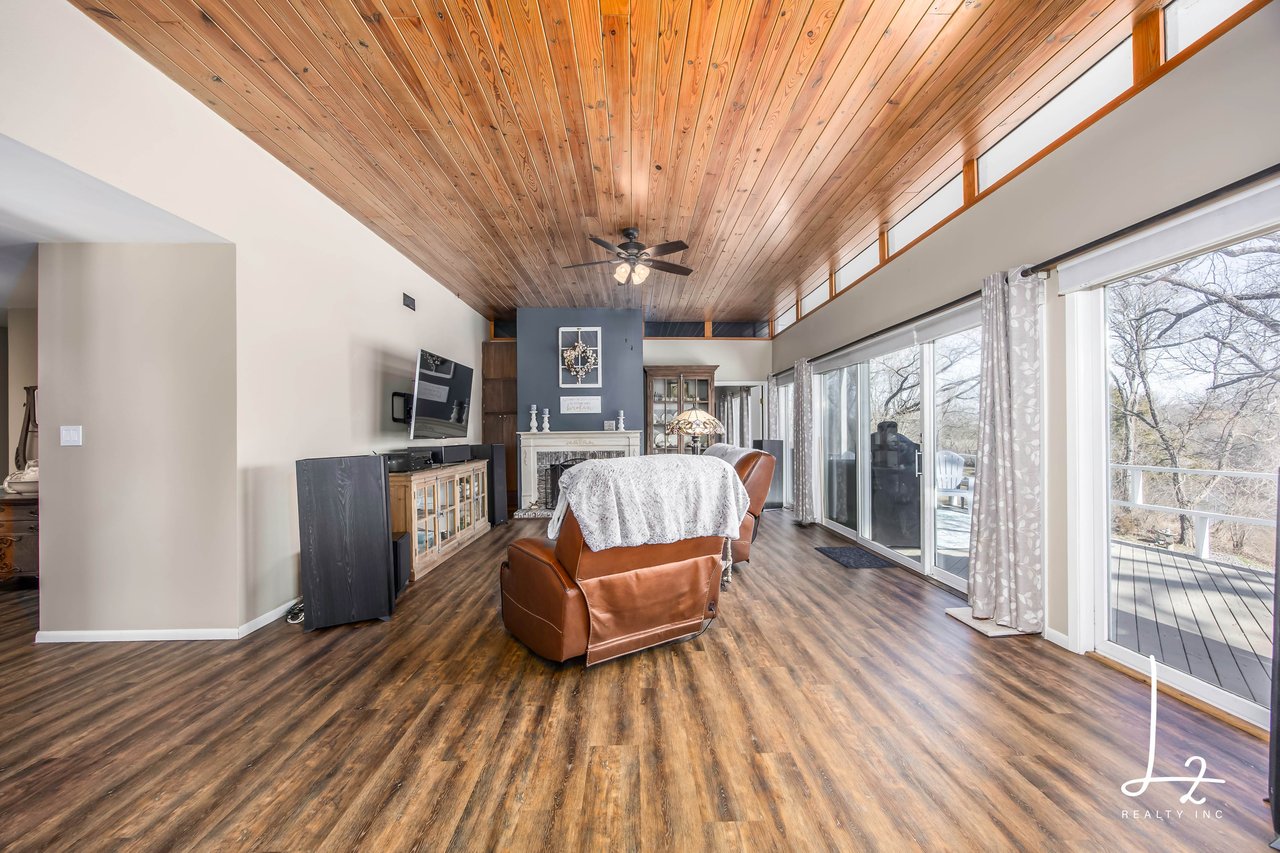
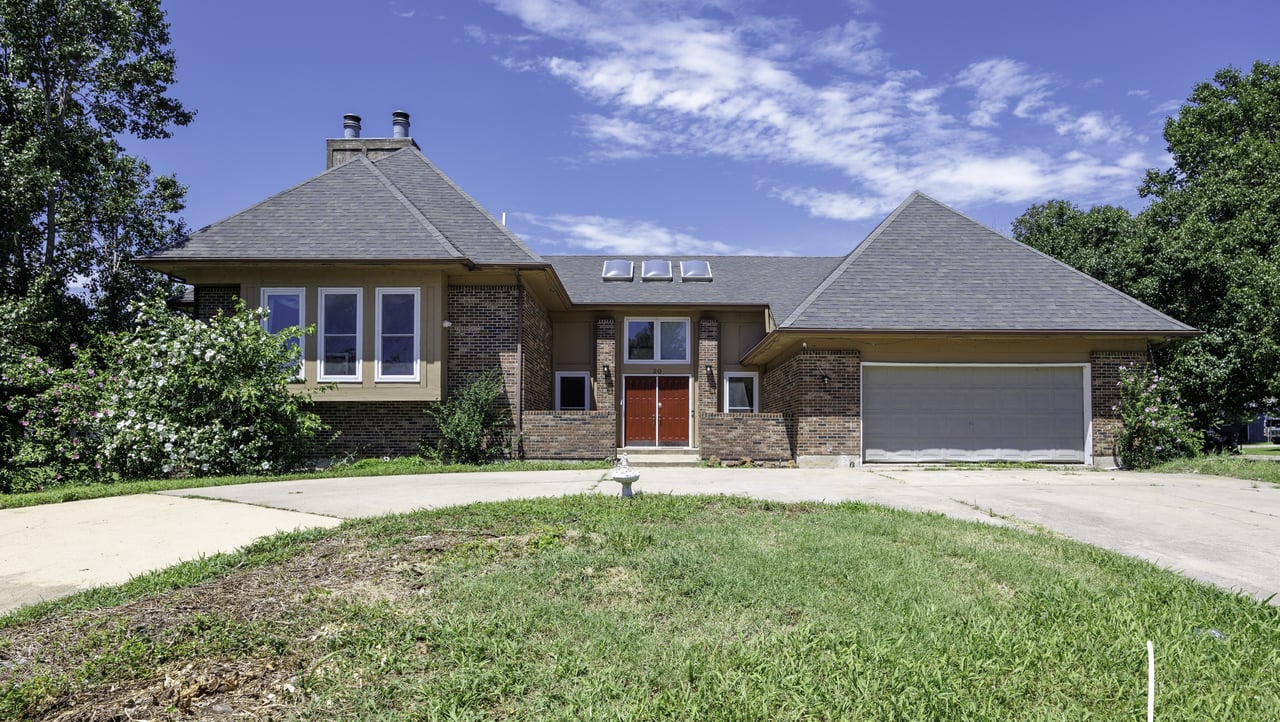
Your pre-listing work should focus on the things that affect photos, first impressions, and inspection results. Clean, declutter, handle visible maintenance issues, and make sure the home shows as well as possible both inside and out.
Focus on High-Impact Updates
You do not always need a full remodel to make a strong impression. Often, the best pre-listing improvements are the practical ones that reduce buyer concerns.
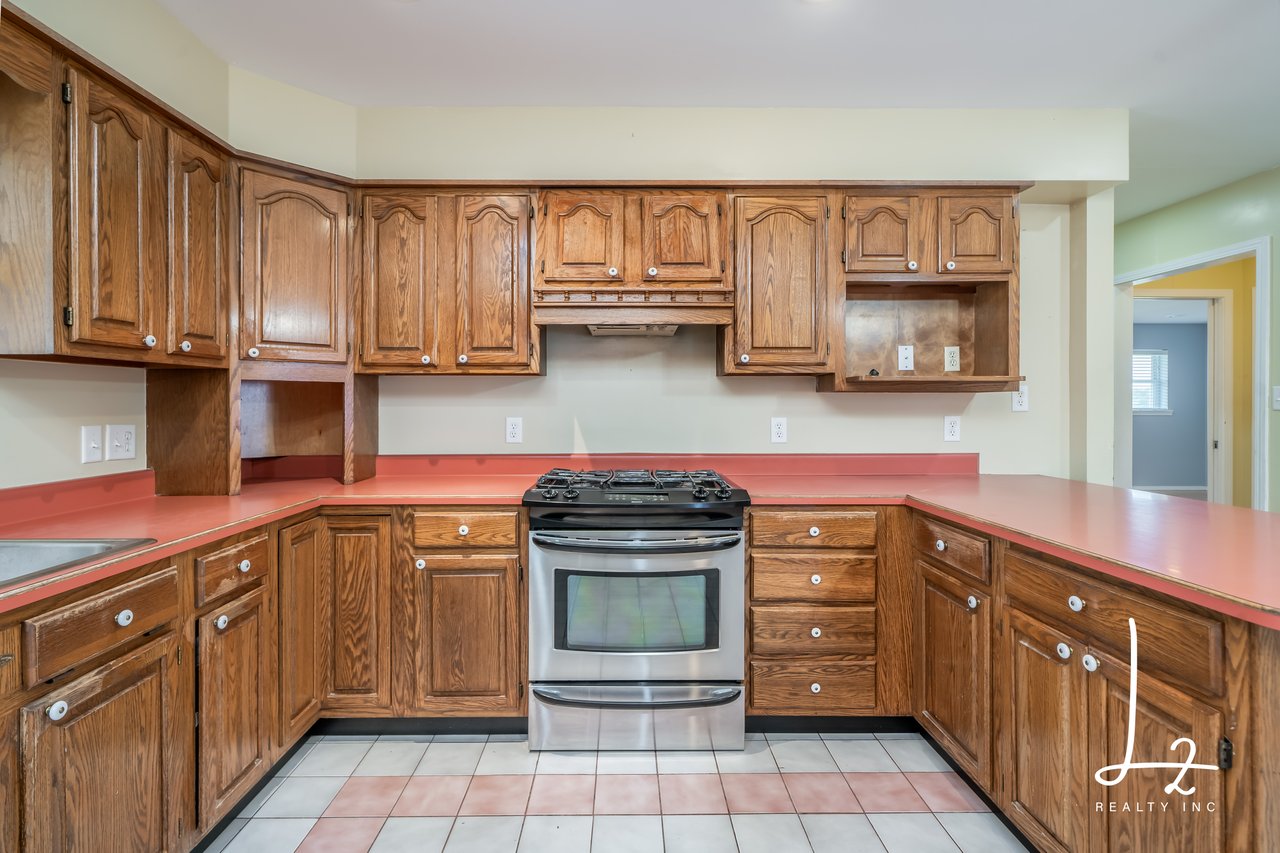
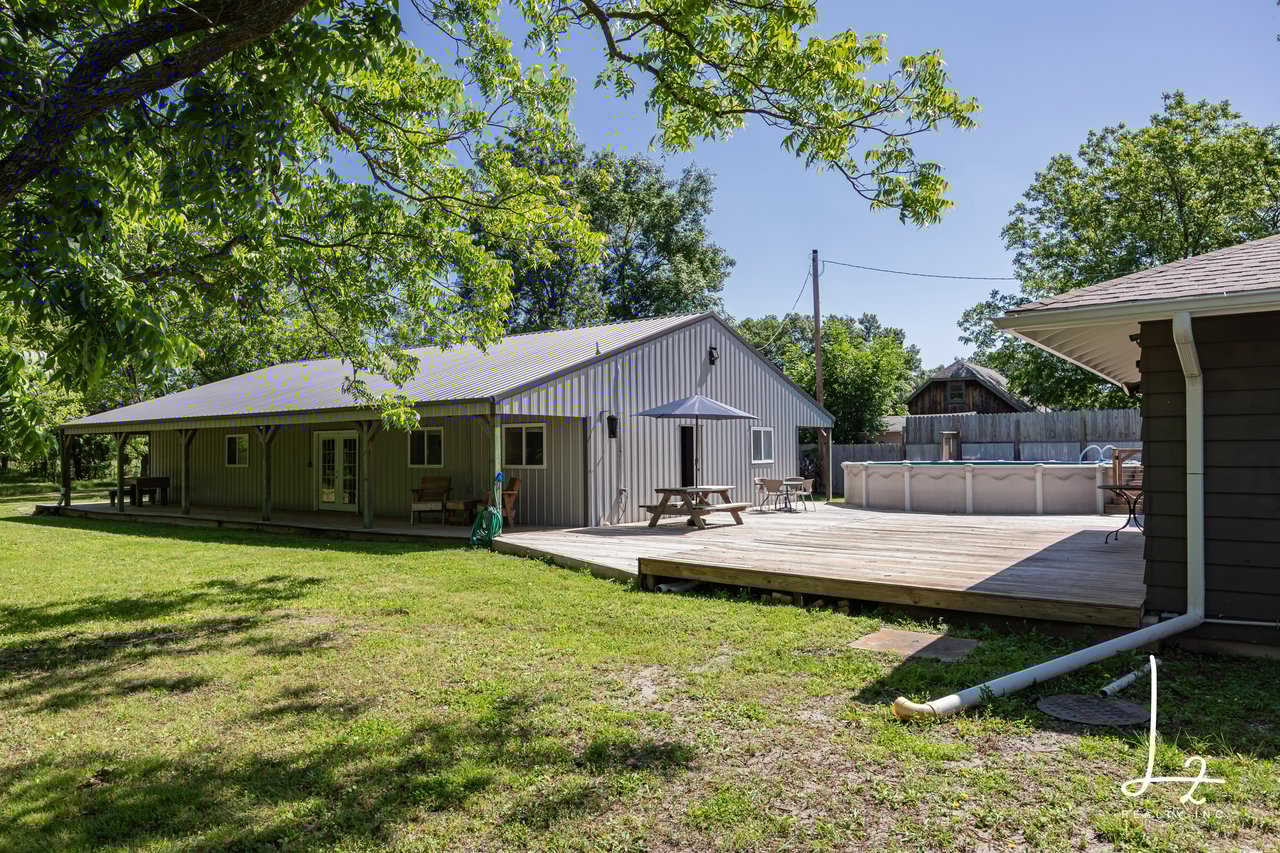
Focus on items like touch-up paint, minor repairs, yard cleanup, lighting, and anything that may stand out in listing photos or during a home inspection. The goal is to present a home that feels well cared for and move-in ready within reason.
Check Historic District Rules First
If your property is in a designated historic district or on the Kansas Historic Register, do not start exterior work without checking city rules. The City of Independence says a Certificate of Appropriateness is required before exterior work begins in those cases.
That is especially important if you are planning curb-appeal projects before listing. A quick check upfront can help you avoid delays or unexpected issues.
Understand Kansas Seller Expectations
Selling a home comes with legal and practical steps, and it helps to know what your agent will walk you through. In Kansas, brokerage relationships and required disclosures are an important part of the process.
The Kansas Real Estate Commission recognizes seller's agents, buyer's agents, and transaction brokers. KREC also says licensees must provide the BRRETA brochure to prospective sellers and buyers at the first practical opportunity, and when a licensee is involved, the agreement of the parties must be in writing.
Know What Must Be Disclosed
Kansas does not have a KREC rule that universally requires a standard seller disclosure form in every transaction. KREC says that question is a legal one and not something it regulates directly.
Still, some disclosures are specifically required in certain situations. These can include known elevated radon concentrations, special assessments or improvement-district fees, and energy-efficiency information for previously unoccupied new residential structures.
If your home was built before 1978, lead-based paint rules may also apply. Before most pre-1978 homes are sold, sellers and their agents must disclose known lead-based paint hazards, provide available records and reports, give buyers the EPA/HUD pamphlet, and allow an opportunity for a lead inspection or risk assessment.
Launch Your Listing Strategically
When your home is ready, your launch matters. A strong listing process should combine accurate pricing, professional presentation, and clear communication from day one.
In Kansas, sellers should also expect the brokerage relationship to be explained early and the agreement terms to be in writing. This helps you understand who represents whom and how the transaction will be handled.
Expect a Closing-Cost Discussion Early
Many sellers are surprised to learn how early net proceeds can be discussed. KREC says licensees must provide approximate closing-cost information to the seller when an offer is presented.
That means you should expect an early conversation about what an offer may mean for your bottom line. This is helpful because it lets you compare offers based on more than just price.
Review Offers Carefully
Once offers start coming in, the highest number is not always the best choice. Terms, financing, timelines, contingencies, and closing costs can all affect how smooth your sale will be.
A strong review process looks at the whole picture. That includes the buyer’s financing strength, requested deadlines, repair expectations, and how likely the transaction is to stay on track through closing.
Compare More Than Sale Price
When you review offers, consider questions like these:
- Is the buyer using financing or cash?
- Are there inspection contingencies?
- Is the buyer asking for seller-paid costs?
- How soon can the buyer close?
- Does the offer line up with your move-out timeline?
These details matter because a clean, realistic offer can sometimes be stronger than a higher offer with more risk attached.
Prepare for Inspections and Appraisal
After you accept an offer, the transaction moves into due diligence. This is where buyers typically schedule inspections and, if financing is involved, the lender orders an appraisal.
This stage is often where sales hit bumps, so good preparation matters. If an inspection or appraisal reveals issues, the next steps may involve negotiation, repairs, or revised terms.
What Happens After the Home Inspection
Buyers usually schedule an independent home inspection soon after going under contract. If the contract includes an inspection contingency, buyers may ask for repairs, negotiate with you, or cancel based on the contract terms.
That is why it helps to address obvious issues before listing if you can. Reducing avoidable inspection objections can make your transaction smoother.
Why Appraisal Can Affect Closing
If the buyer is financing the purchase, the lender will likely require an appraisal. If the appraisal comes in low or identifies major repair concerns, the sale can get more complicated.
In some cases, the lender may require repairs or an escrow arrangement before funding. Pricing the home carefully from the start can help lower the chance of appraisal trouble.
Get Ready for Closing Day
As closing gets closer, the details become more administrative, but they are still important. This is the stage where documents are finalized, prorations are confirmed, and your move-out plan should be fully in place.
For financed sales, the buyer’s lender must deliver the Closing Disclosure at least three business days before closing. Buyers often complete a final walk-through before signing so they can confirm agreed repairs were completed and any items you agreed to leave behind are still in the home.
Confirm Taxes and Recorded Documents
Property tax timing can matter, especially near the end of the year. The statewide Kansas property tax calendar shows bills mailed on November 1 and due on December 20, with deadlines extended to the next business day if needed.
That makes tax prorations and payoff details worth confirming early with the title company or closing agent. After closing, the deed and related documents are recorded with the Montgomery County Register of Deeds.
Do Not Forget Utility Transfers
One final local step is utility service. The City of Independence utility office allows residents to start, stop, or transfer service by phone.
If you are moving out on or near closing day, add this to your checklist early. It is a simple step, but it helps make the handoff cleaner for everyone.
A Simple Selling Checklist
If you want a quick summary, here is the typical path to selling your home in Independence:
- Review your property details and county records.
- Price the home using recent comparable sales.
- Prepare the property for photos, showings, and inspection.
- Check for any local rules that may affect exterior work.
- Review required disclosures and transaction paperwork.
- Launch your listing with clear pricing and strong presentation.
- Compare offers based on price and terms.
- Navigate inspections, appraisal, and repair requests.
- Confirm closing costs, tax prorations, and move-out timing.
- Transfer utilities and complete the final handoff.
Selling a home is a big move, but it does not have to feel overwhelming. With local pricing insight, a thoughtful plan, and clear step-by-step guidance, you can avoid common mistakes and make stronger decisions from listing to closing. If you are thinking about selling in Independence or anywhere in Southeast Kansas, Kristina Fulk is here to help you move with confidence.
FAQs
How do I price my home in Independence, KS?
- The best starting point is a fresh local comparative market analysis based on recent sales, current competition, and your home’s condition, rather than relying only on county value or an online estimate.
Should I use my Montgomery County appraisal to set my asking price?
- No. County valuation is used for tax purposes and may not match current market value, so your asking price should be based on comparable sales and current local market conditions.
What disclosures do sellers need in Kansas?
- Kansas sellers may need to disclose certain known issues or conditions, including elevated radon levels in some cases, special assessments or improvement-district fees, and lead-based paint hazards for most homes built before 1978.
What should I fix before selling my house in Independence?
- Focus on repairs and updates that improve photos, buyer perception, and inspection results, such as cleaning, decluttering, touch-up paint, minor maintenance, and visible exterior upkeep.
How long does it take to sell a home in Independence, KS?
- Timing can vary based on price, condition, and buyer demand. Current public market snapshots show that homes in Independence can move at different speeds, so accurate pricing and solid preparation are key.
What happens after I accept an offer on my Kansas home?
- After you accept an offer, the buyer typically schedules inspections, the lender may order an appraisal, and both sides work through contingencies, closing figures, and final paperwork before closing.
What should I do before closing on my home sale in Independence?
- Confirm your move-out plan, keep track of agreed repairs or included items, review closing figures, and arrange to stop or transfer City of Independence utility service around closing day.