Are you getting ready to sell a small acreage or hobby farm near Independence, Kansas and wondering where to start? Rural properties can attract serious interest, but they also come with more questions than a typical in-town home. If you want your property to show well, make sense to buyers, and feel worth the asking price, a smart prep plan can make a real difference. Let’s dive in.
Why rural prep matters near Independence
Selling a small acreage is not just about cleaning the house and taking a few photos. Buyers usually want to understand the land, access, utilities, outbuildings, and how the property has been maintained. The clearer you make those details, the easier it is for buyers to picture themselves using the property.
That matters in Montgomery County, where map-based property information is especially useful. The county offers public parcel tools, aerial image search, and maps that can show county roads, drainage districts, rural fire areas, school districts, and the three-mile zone. For a rural listing, that kind of visual context helps buyers quickly understand what they are looking at.
The local market also shapes expectations. Montgomery County’s 2026 market study reported an overall inflationary trend of 3% for residential, commercial, and vacant land, though individual properties still vary based on updates, property details, and comparable sales. In other words, preparation still matters because buyers do not price every acreage the same.
Start with curb appeal and access
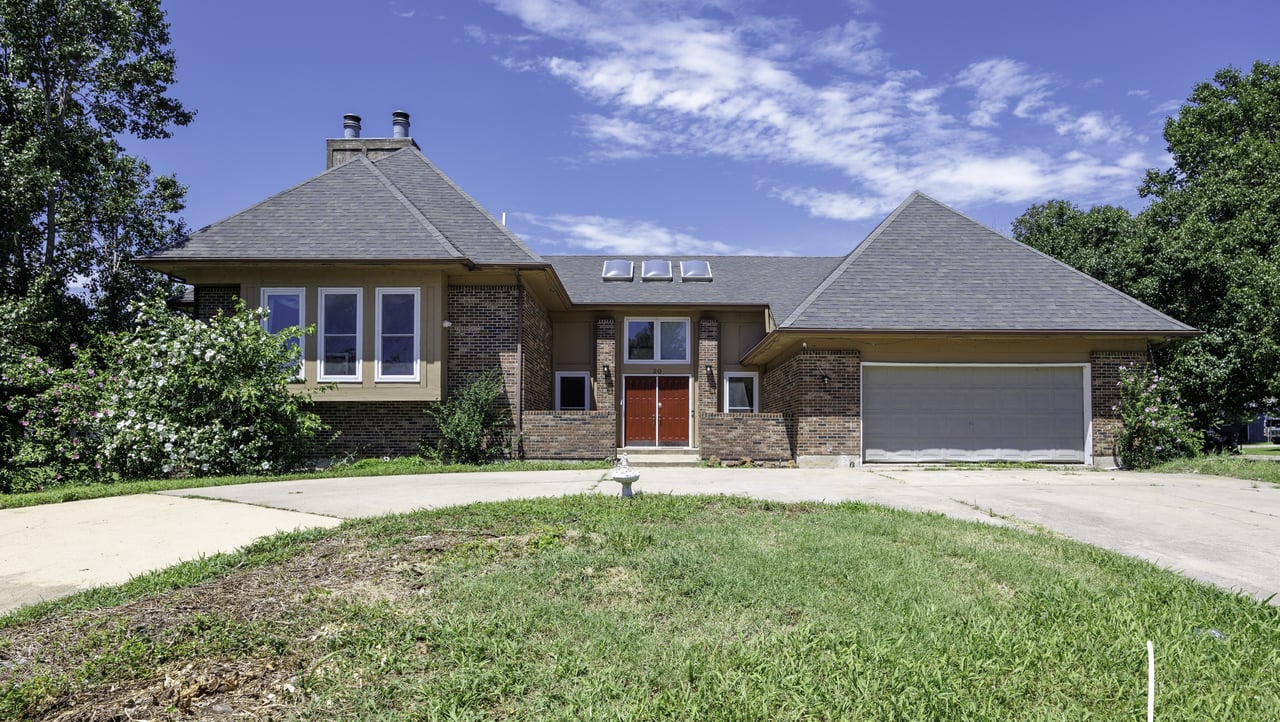
With a rural property, your first showing often begins before a buyer reaches the house. The road approach, driveway condition, and visible access points help set the tone. Since Montgomery County notes that many county roads are gravel or dirt, buyers pay close attention to how easy the property is to reach and navigate.
Begin by making the route from the road obvious and tidy. Mow and trim around the driveway, entry points, home, barns, and fence lines. Remove brush, dead vegetation, and clutter so the property feels open, maintained, and easy to understand.
If your driveway has ruts, overgrowth, or unclear turns, address those before photos and showings. Properties outside city limits may also intersect with NG-911 site planning, where a clear driveway and site layout are important. A buyer should be able to arrive and immediately understand how the property is organized.
Clean up land and outbuildings
One of the biggest mistakes sellers make is letting usable space look confusing. A hobby farm may have sheds, pens, stacked materials, feed areas, trailers, or equipment that make sense to you but feel chaotic to a buyer. Your goal is to show function, not overload.
Focus first on the areas closest to structures. Remove combustible materials near buildings, move wood piles and unprotected hay away from structures, and keep grasses short around the house and barns. This cleanup improves presentation and helps buyers see the condition of the improvements more clearly.
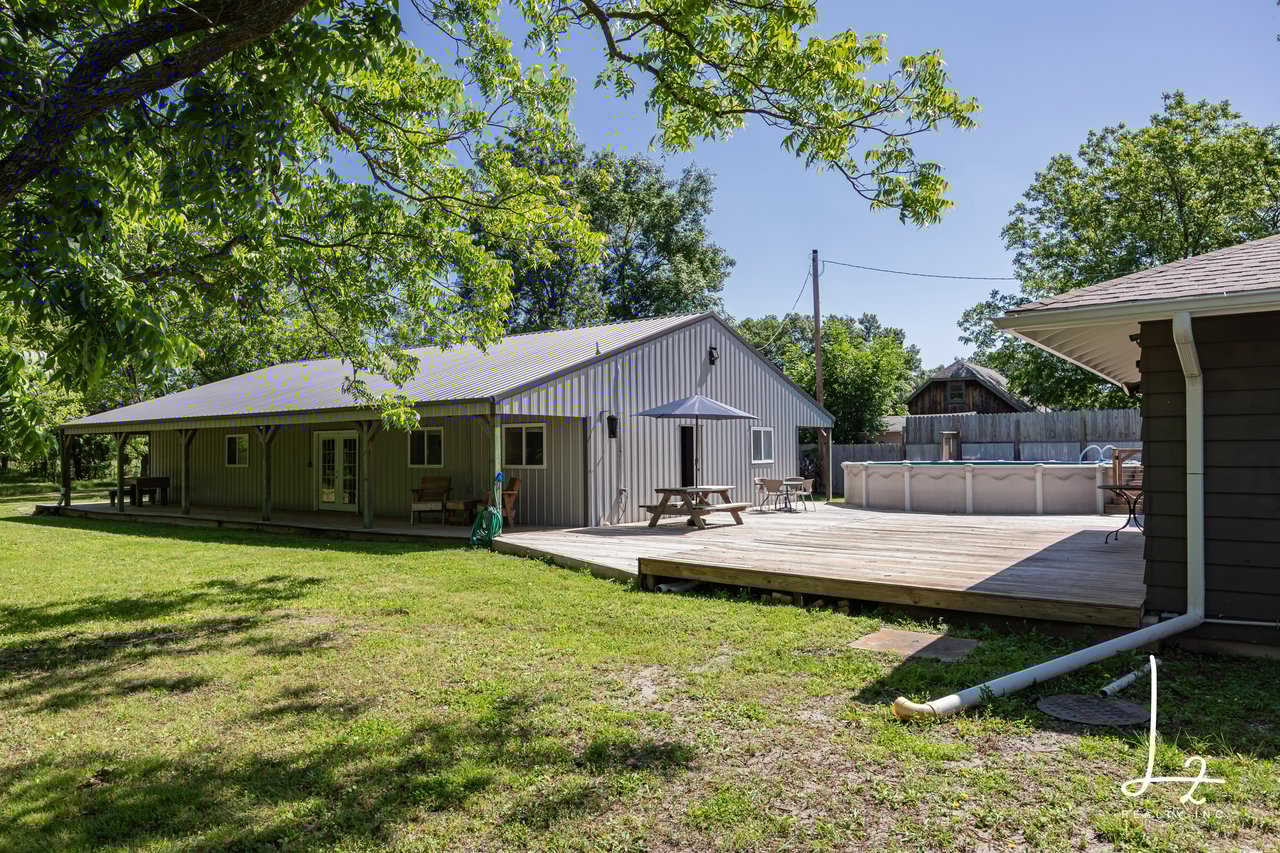
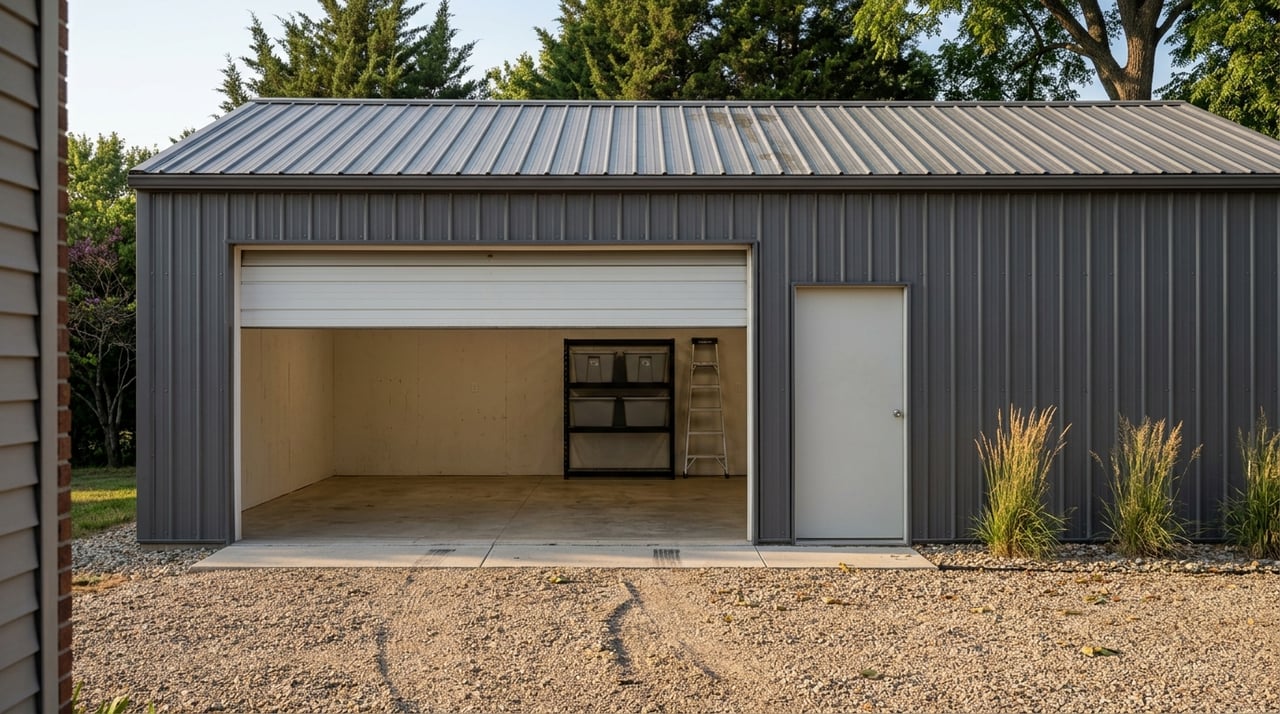
Storage buildings, loafing sheds, barns, and workshops should look purposeful. Sweep them out, group tools neatly, and clear paths so buyers can walk through safely. If a structure is meant for equipment storage, feed storage, animals, or hobby use, stage it so that purpose is easy to recognize.
Repair fences and gates before listing
On a small acreage, fences are not just a visual detail. They help define use areas, control access, and support livestock or pasture management. Broken fences or sagging gates can make buyers question how well the property has been cared for.
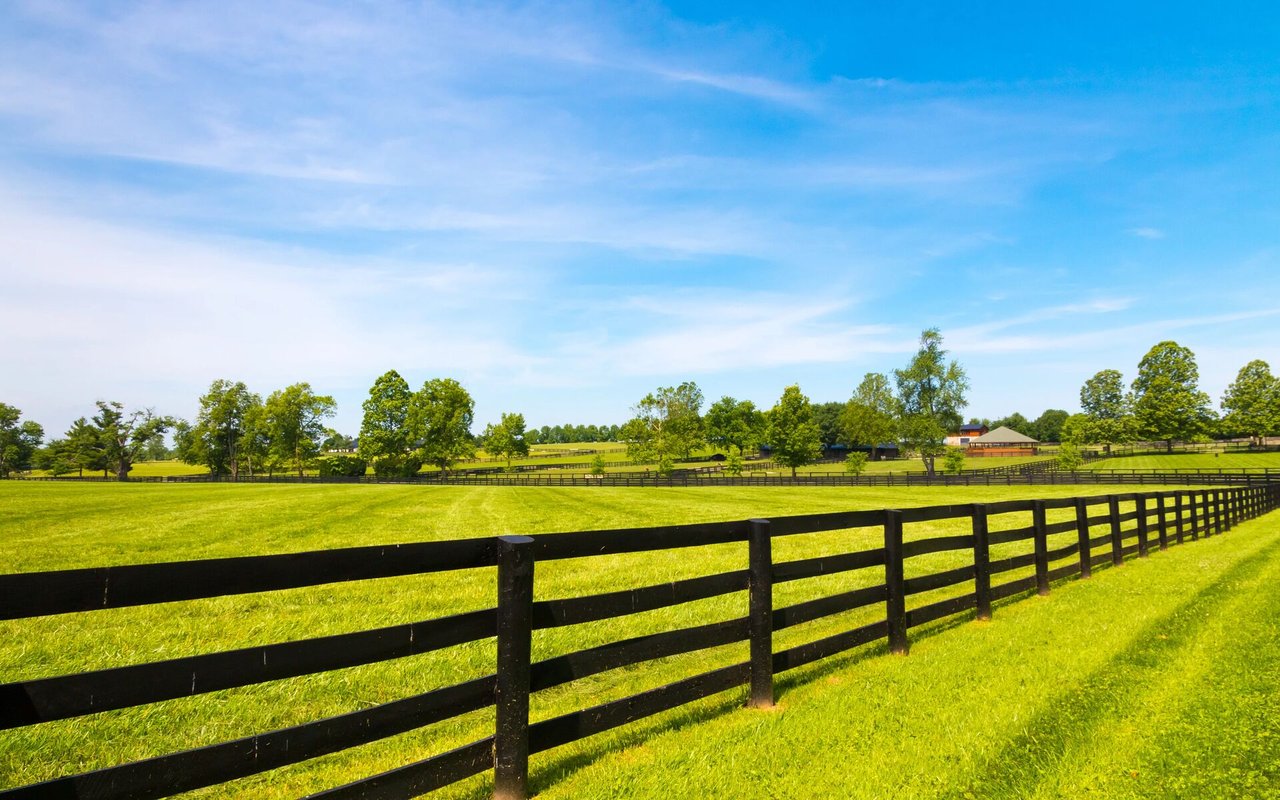
Before your listing photos are taken, repair obvious fencing issues. Straighten posts where possible, secure loose wire or rails, and make sure gates open and latch properly. Even simple repairs can make the property feel more complete and more move-in ready.
If the land has separate use areas, such as pasture, garden space, or animal pens, clean fence lines help buyers understand those zones. That is especially helpful for lifestyle buyers who may be comparing several rural properties at once.
Organize well and septic information
Rural buyers often ask about water and wastewater systems early in the process. If you have a private well, documentation matters. KDHE says routine testing is the only reliable way to find pollutants and recommends annual coliform and nitrate testing.
If you have recent well records or test results, gather them before listing. Montgomery County Environmental Health also lists water well screening, which makes local documentation even more useful when buyer questions come up. Having this ready can save time and build confidence.
Septic information is just as important. Organize inspection and pumping records if you have them, along with any maintenance notes or service history. The EPA recommends septic inspection at least every three years, pumping every three to five years, and keeping good records, all of which can help show buyers the system has been responsibly maintained.
There is also a local point to keep in mind for smaller tracts. Montgomery County’s sanitary code says it may require mandatory inspection of properties under 25 acres in prospective sale, lease, or rental transactions when an onsite wastewater system will be used for domestic sewage disposal. That makes early record gathering a smart move.
Verify permits, access, and land details
Acreage buyers often think beyond the home itself. They may want to know about future building plans, utility connections, tract splits, access, and floodplain questions. The more you can clarify up front, the smoother your sale can be.
Montgomery County’s land-use permit process asks whether the site is in a FEMA floodplain, whether utilities have been contacted, and whether a private wastewater system will be needed. If your property has prior permits, approvals, or county paperwork, keep those documents together for easy reference.
If the property has been split before, or could be split in the future, lot and tract information may matter too. Montgomery County’s tract split process is designed to make sure new lots meet minimum building-site requirements and have proper access. Buyers who are considering long-term use often want to understand these details.
You should also be ready to disclose any improvement district obligation, special assessment, or fee if it applies. Kansas law requires the seller to disclose that information to the buyer and obtain written acknowledgment.
Explain tax classification clearly
Small acreage properties can have a mix of land uses, and that can affect how buyers understand taxes and value. In Kansas, agricultural land is valued by agricultural use value rather than open market value, while agricultural improvements are valued at fair market value. Property tax classification also uses different assessment rates for agricultural land, agricultural improvements, and residential components.
That means a hobby farm is not always as simple as calling it “land plus house.” The homesite, improvements, and agricultural ground may be treated differently. If your property includes a mix of residential and agricultural use, clear documentation can help buyers make sense of the tax picture.
Build a strong rural listing packet
A great small-acreage listing does more than describe the home. It tells the land story in a way that helps local and out-of-market buyers understand the property before they ever visit. This is where strong packaging can set your listing apart.
A useful rural listing packet often includes:
- Parcel number
- Legal description
- Recent survey or plat, if available
- Well records and water test results
- Septic records and service history
- Utility contacts
- Tax classification details
- County permit information that affects access, water, or future improvements
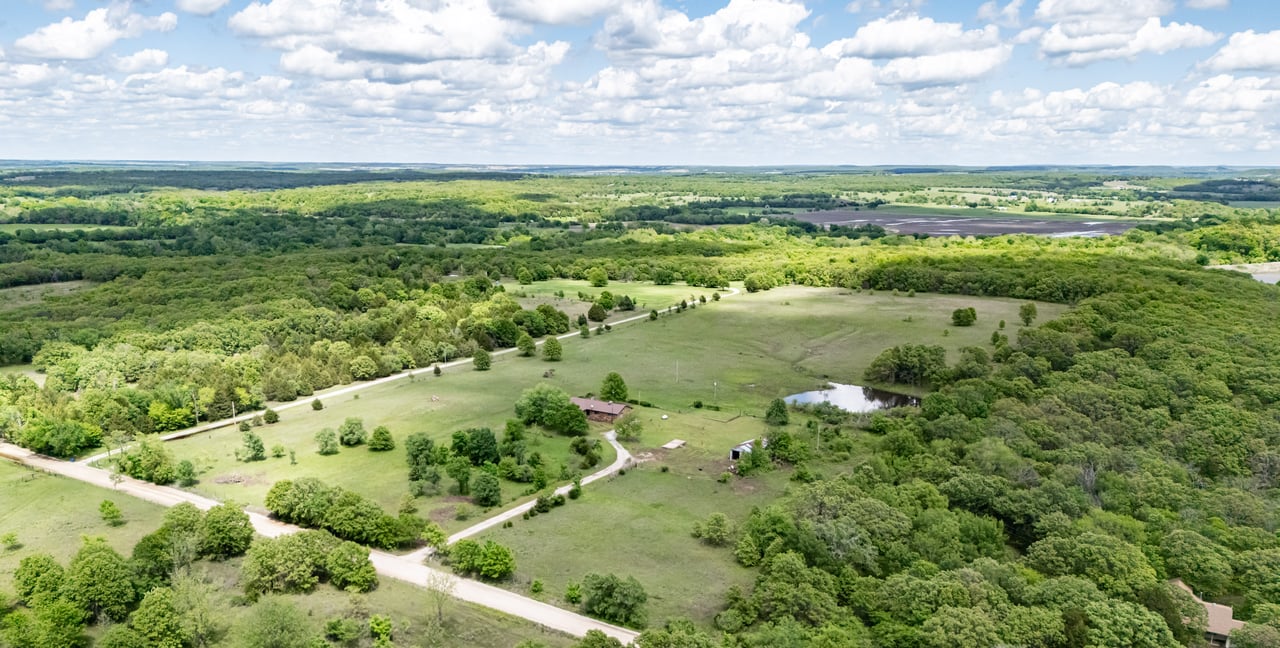
Maps are especially valuable for acreage listings in Montgomery County. Aerial imagery and parcel tools can help show boundaries, roads, structures, ponds, fences, access points, and nearby context. A buyer should be able to look at your materials and quickly understand what is included and how the property functions.
Show buyers what the acreage can do
Many hobby farm buyers are shopping for a lifestyle, not just a house with extra land. They want to know whether the property supports pasture, gardening, equipment storage, small livestock, or a mix of uses. If you leave that story untold, buyers may miss the property’s full value.
Create a simple inventory of the land from an aerial image or map. Helpful features to identify include fences, corrals, water troughs, gates, outbuildings, utilities, roads, easements, streams, ponds, and any problem areas. This makes the property easier to understand and easier to compare.
If relevant, explain practical due diligence items buyers may care about, such as access, covenants, easements, plat restrictions, water potential, or timber value. You do not need to oversell anything. You just need to present the property clearly and honestly.
Prepare the home like part of the property
Even when the acreage is the star, the house still matters. Buyers want the home to feel clean, cared for, and consistent with the land around it. A tidy, neutral presentation helps them focus on the property as a whole.
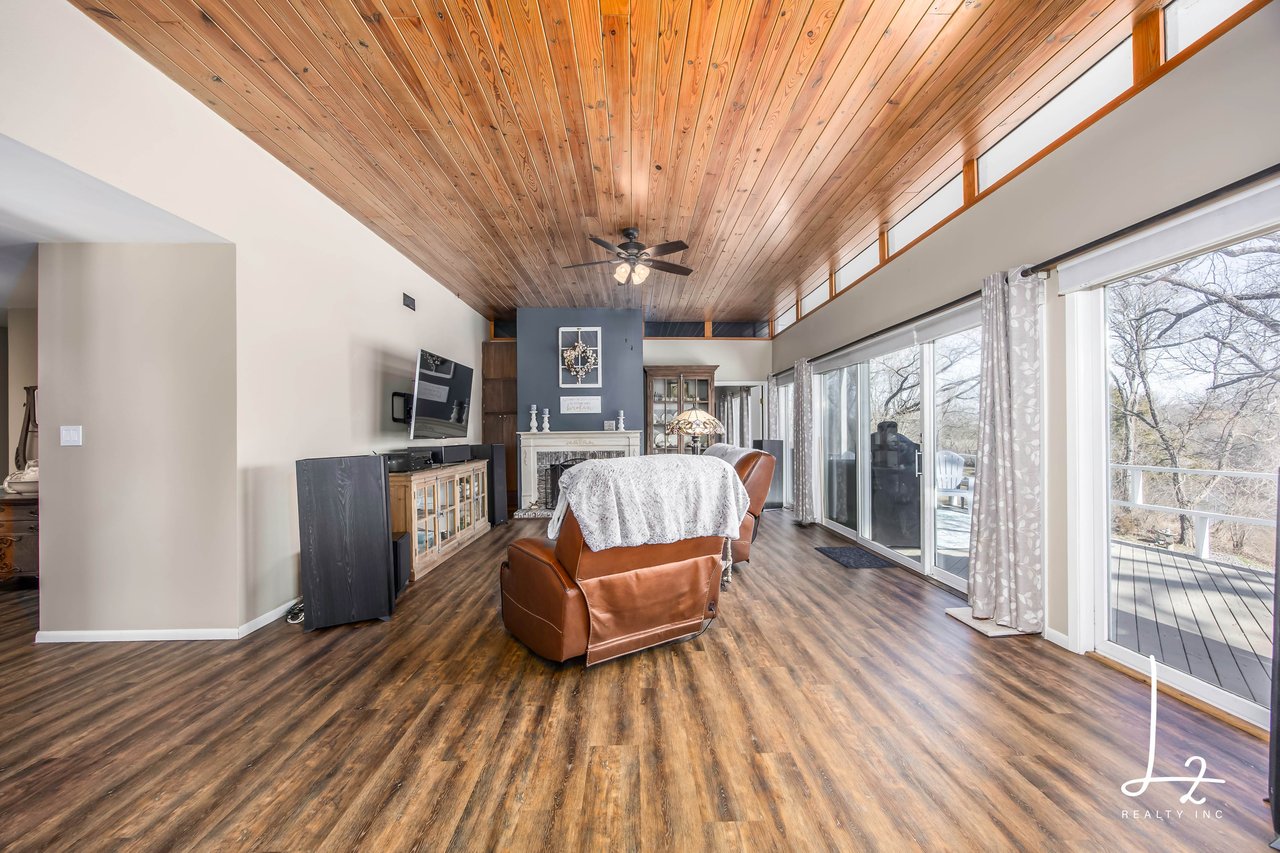
Mow around the home, trim landscaping, clear porches, and remove nonessential items from entries and utility spaces. Inside, aim for clean surfaces, good light, and open walking paths. In rural properties, mudrooms, utility rooms, and storage areas often carry more weight than they do in a city listing, so make those spaces count.
If the home was built before 1978, remember that federal law requires lead-based paint disclosure for most pre-1978 housing. It is best to have disclosure materials organized before the listing goes live.
Price with local context, not guesswork
Acreage pricing is rarely one-size-fits-all. Two properties with similar acreage can perform very differently based on road access, improvements, fencing, water systems, land use, and overall condition. That is why preparation and documentation support pricing just as much as comparable sales do.
Montgomery County’s reported 3% inflationary trend gives useful market context, but it does not replace a property-specific pricing strategy. Buyers will still compare your acreage to other available options and weigh the practical details closely. Clean presentation, strong records, and a clear land story help support your asking price.
A smoother sale starts before the sign goes up
The best time to prepare a small acreage or hobby farm is before buyers ever see it online. When you clean up the land, handle visible repairs, organize records, and package the property clearly, you reduce uncertainty and help buyers move forward with confidence. That is especially important for rural properties near Independence, where access, utilities, and land use details can carry as much weight as the home itself.
If you are thinking about selling, working with a local agent who understands how to present and market Southeast Kansas acreage can make the process feel far less overwhelming. When you are ready to take the next step, Kristina Fulk can help you prepare, position, and market your property with care.
FAQs
What should you fix before selling a small acreage near Independence, KS?
- Focus on obvious issues first, including broken fences, sagging gates, overgrown areas, driveway problems, clutter near buildings, and any visible maintenance concerns around the house, barn, or outbuildings.
What documents help sell a hobby farm in Montgomery County, KS?
- Helpful documents often include the parcel number, legal description, survey or plat if available, well records, septic records, utility information, tax classification details, and any county permit paperwork related to access or future improvements.
What do buyers ask about wells and septic on rural property near Independence, KS?
- Buyers commonly ask about recent well testing, septic maintenance history, pumping or inspection records, and whether any local inspection requirements may apply to the property.
Why are maps important when selling acreage in Montgomery County, KS?
- Maps help buyers understand boundaries, roads, structures, ponds, fences, access points, and the overall layout, which is especially useful for rural properties with multiple features.
How is a Kansas hobby farm taxed or classified?
- Kansas may treat agricultural land, agricultural improvements, and residential components differently, so a small acreage can have a mixed tax and valuation structure depending on how the property is used.
What makes a rural property easier to market near Independence, KS?
- Clear access, clean presentation, repaired fences and gates, organized utility and system records, and a strong map-based listing package all help buyers understand the property faster and feel more confident about it.