Ever picture letting the dog run, planting a big garden, and watching the sun set over your own fence line, all within a short drive of town? If you are eyeing a few acres near Independence, you are not alone. Many buyers want the space for hobbies and privacy, without giving up quick trips to the grocery store or school events. In this guide, you will get a realistic look at day-to-day life, the permits and systems you will manage, and a clear checklist to help you buy with confidence. Let’s dive in.
What a few acres looks like
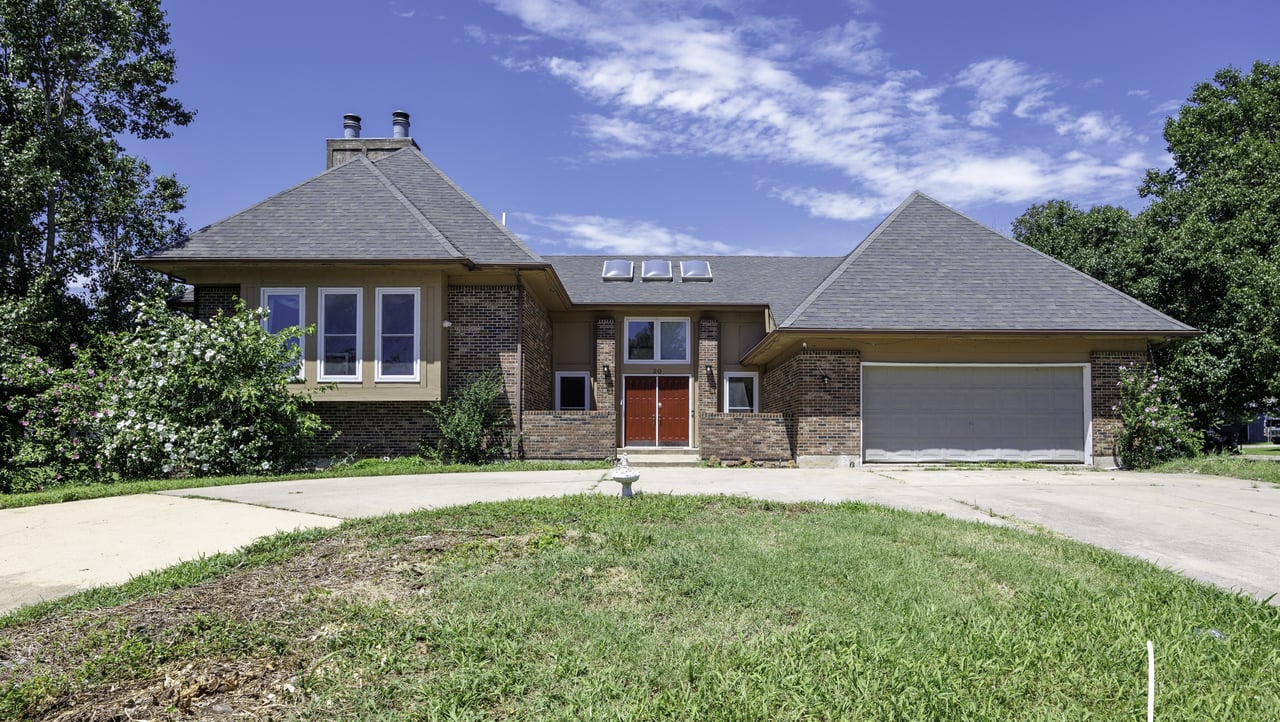
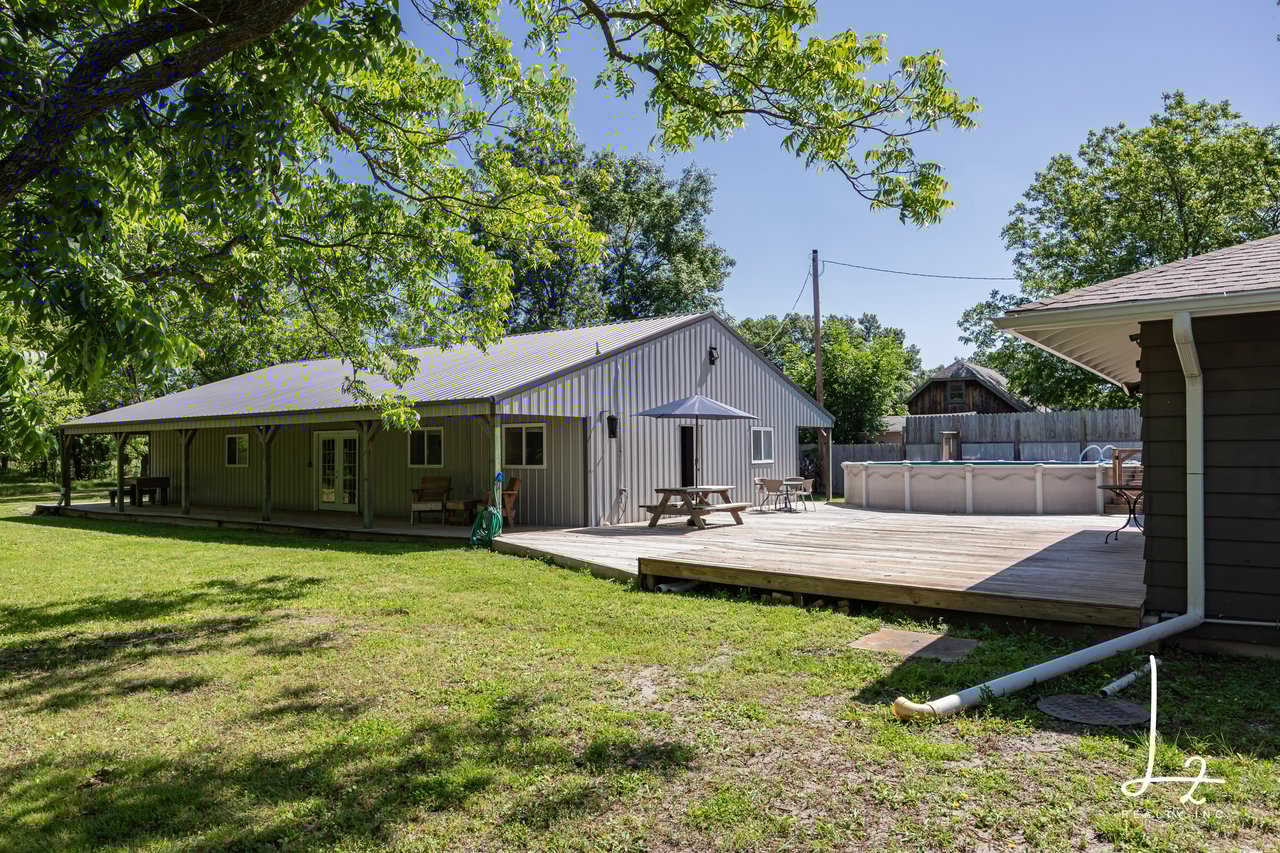
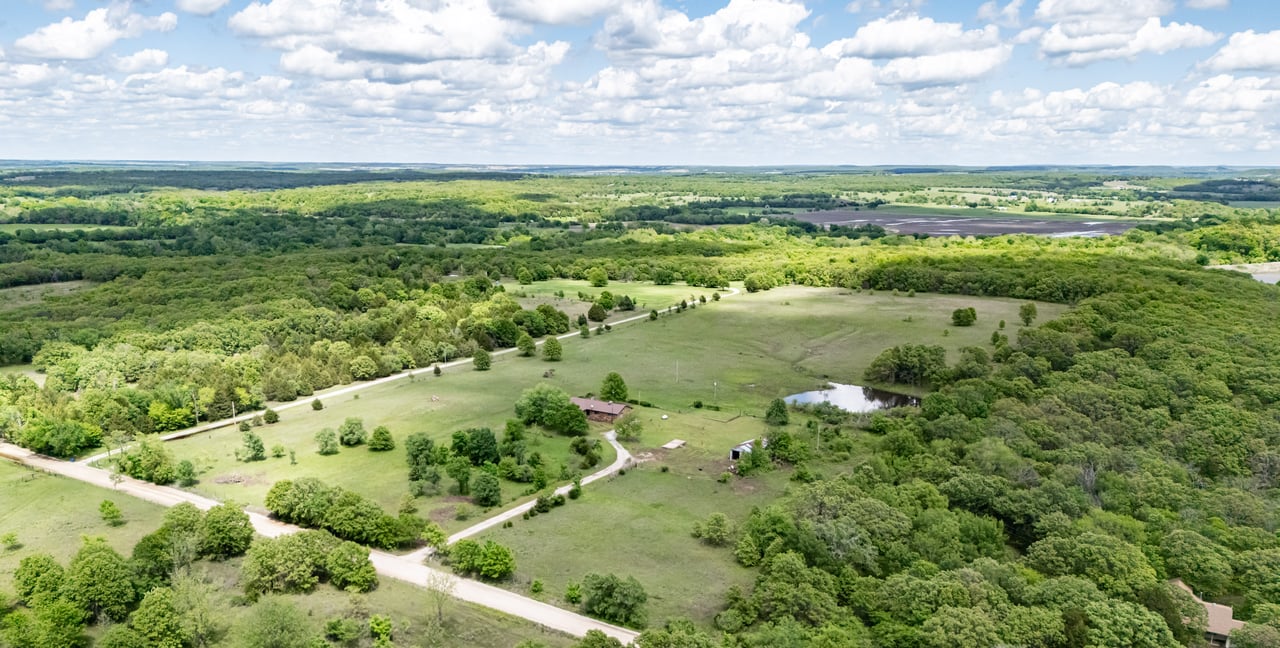
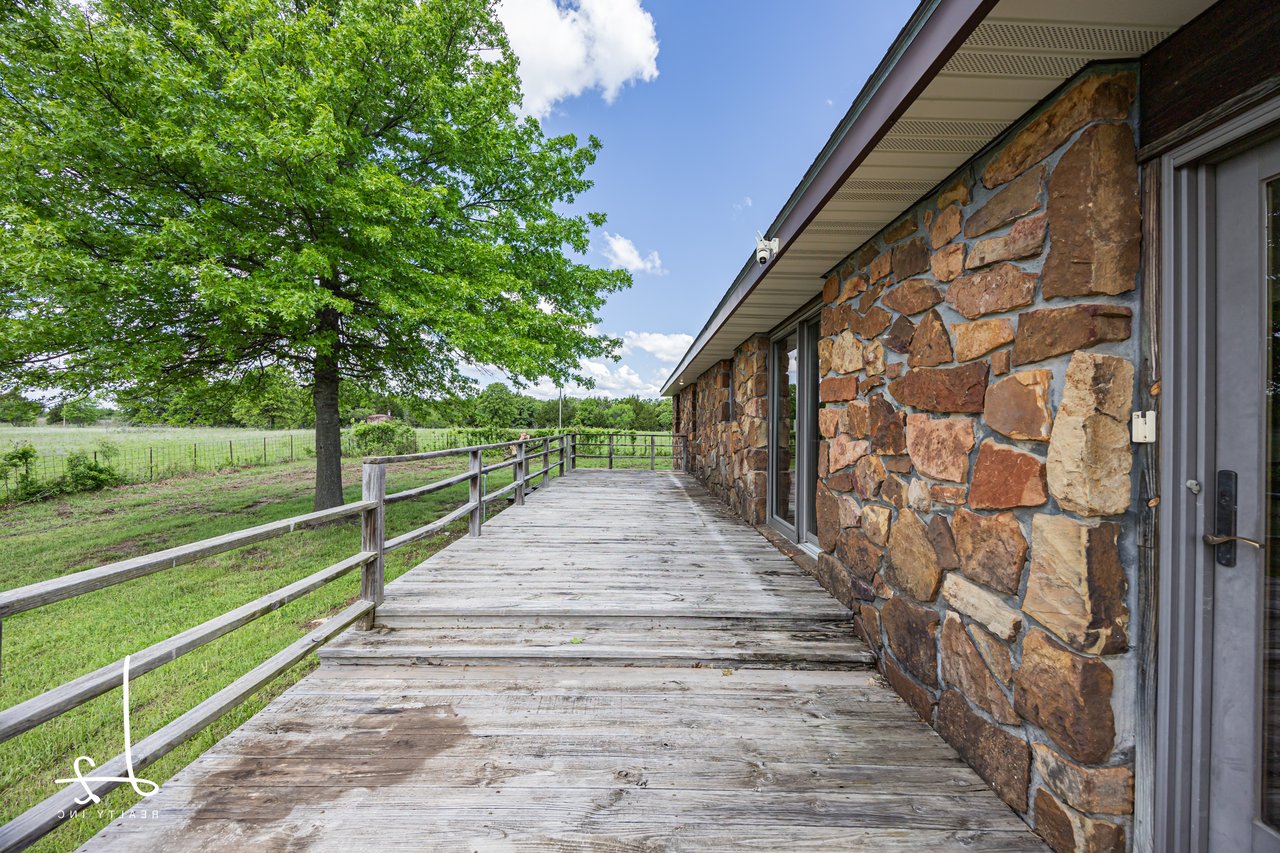
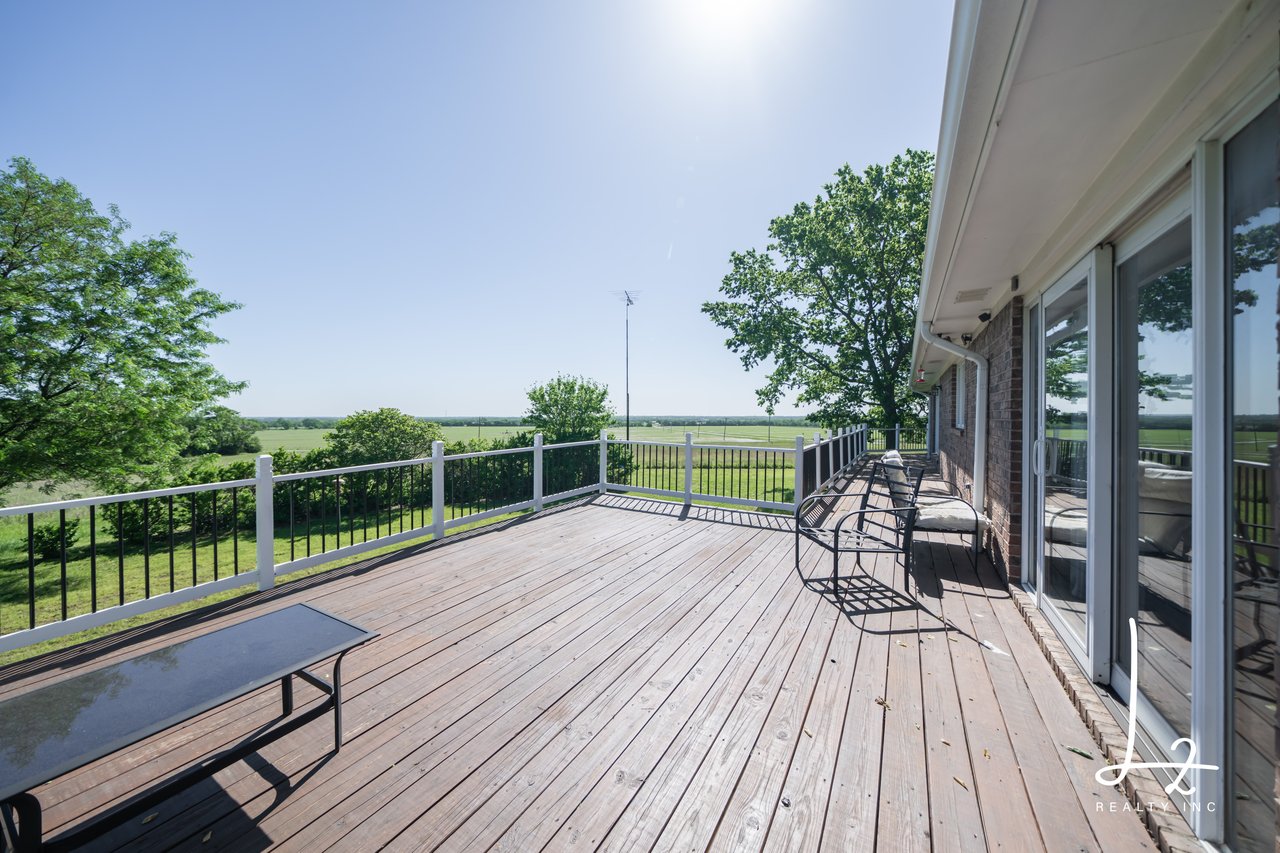
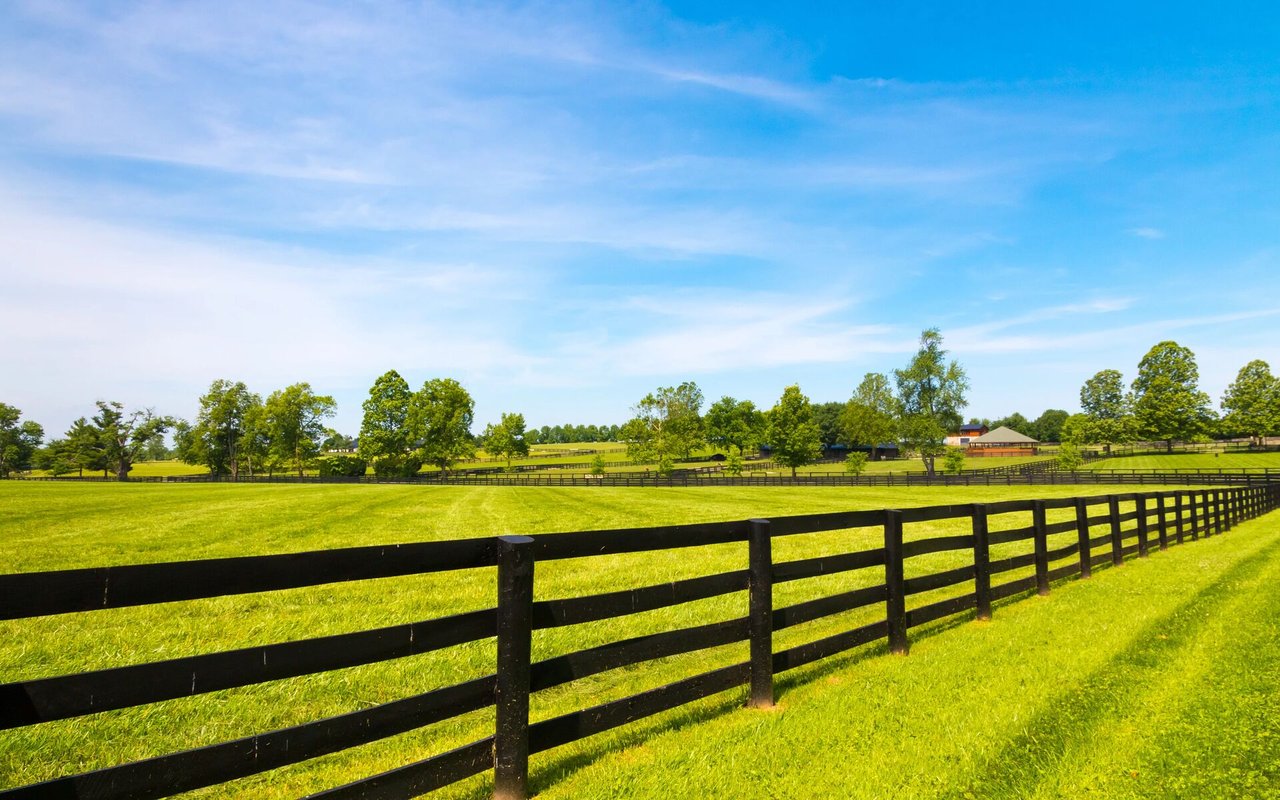
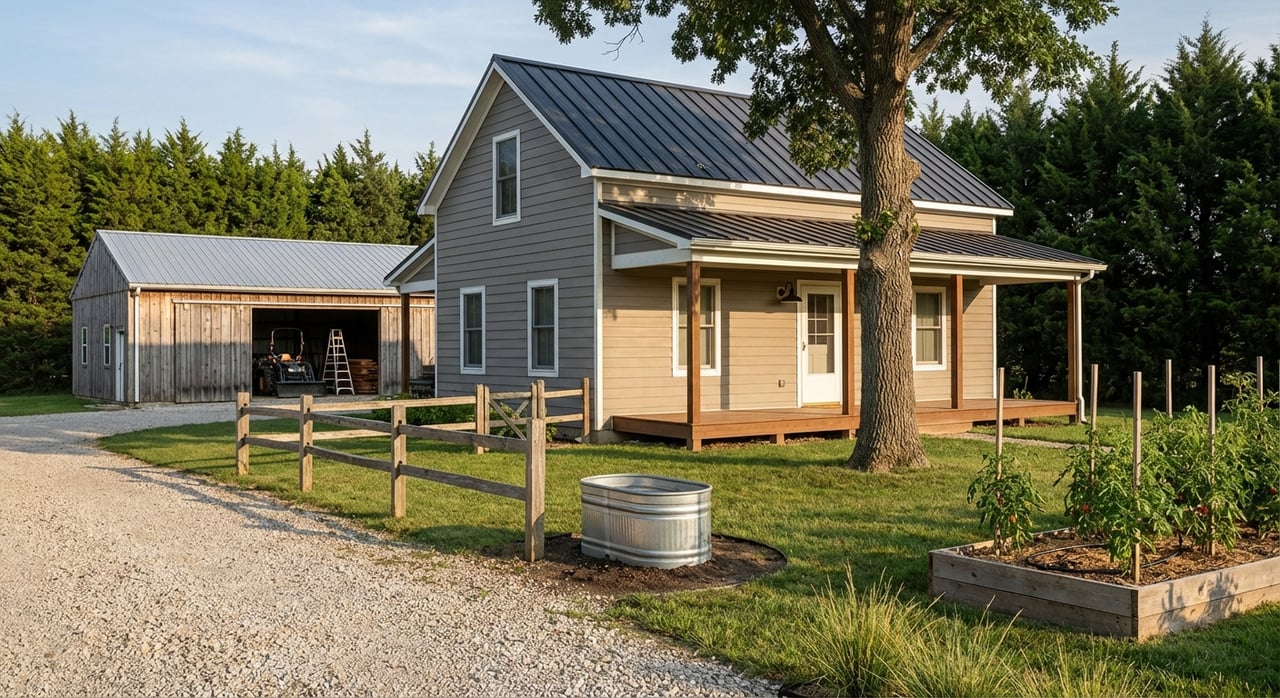
Around Independence, “a few acres” often means roughly 1 to 5 acres with a mix of open yard and light pasture. Many parcels include a detached garage or pole barn, smaller outbuildings, partial fencing, and sometimes a small pond. Outside city limits, you commonly see a private well and a septic system, or a rural water connection if a line runs nearby. Expect gravel driveways, tree lines for wind break, and plenty of space for gardens or a chicken coop.
If the property is in unincorporated Montgomery County, the county’s Environmental Health & Zoning office is your hub for land-use and sanitation permits. You can review permit types and fee information directly through the county’s Environmental Health & Zoning page for a sense of process and costs.
Daily rhythm on your land
Gardening basics for Zone 7a
Independence sits in USDA Zone 7a. Your average last spring frost falls in mid April, and the first fall frost arrives in late October, which gives you a generous warm-season window for tomatoes, peppers, and melons. Check the local frost calendar for Independence to plan your seed starts and transplant timing using the Almanac’s frost date tool.
Summers are warm and humid with a spring to summer rain peak, and winters can swing cold. That pattern suits many summer vegetables, but you should plan reliable water access for dry spells and simple covers for late cold snaps. Review Independence climate normals to match your irrigation and mulching plans to typical highs, lows, and rainfall.
Southeast Kansas soils often lean clay or clay-loam. You will get better yields if you build your beds with compost, mulches, and season-by-season soil amendments. For starter plants, tools, and local food connections, browse farmers markets listed for Montgomery County to find vendors and gardeners who know the timing and varieties that perform well here.
Keeping a few animals
On a small acreage, it is common to keep a modest flock of laying hens, raise a few meat birds, or add ducks and a couple of goats. On larger parcels in the “few acres” range, some owners keep a horse or pony. Plan for covered shelter, winter feed storage, and secure fencing before you bring animals home. Thoughtful manure management, dry bedding, and predator-proof housing matter at any scale. For practical, small-farm nutrient management ideas, look to extension-backed resources that outline right-sized manure handling and animal-care best practices.
Pests and wildlife
You will share space with deer, raccoons, and plenty of insects. Ticks can be active along wooded edges and tall grass. Keep grass trimmed around living areas, set up secure coops and runs, and store feed in sealed bins. Native plantings and managed edges help reduce pest pressure and improve pollinator visits without heavy inputs.
Infrastructure you will manage
Water and wastewater
Many small-acre properties outside Independence use a private well and an on-site wastewater system such as a septic tank. The county oversees wastewater permits and inspections, and it offers well screening services. Before you buy, ask for the septic permit history, tank age and size, and any recent pump or inspection records. For details, review Montgomery County Environmental Health & Zoning guidance on wastewater permits, well screening, and land-use approvals.
Power, gas and internet
Electric service is available across the area, with a regional utility service center located in town, which signals solid coverage nearby. Natural gas availability depends on the exact location; many rural homes use propane. Internet options vary by address. In town you may find fiber or cable, and in rural spots you might rely on fixed wireless, 5G home, or satellite. Kansas has invested in rural broadband expansion, but you should confirm actual speeds and providers at the property’s street address before you write an offer.
Roads and access
Country living often comes with gravel drives, a longer lane, or minimum-maintenance roads. Ask about who maintains the road and whether a recorded access easement exists if the driveway crosses another parcel. Budget for periodic rock, grading, culvert upkeep, and gate repairs as part of your annual routine.
Costs and tradeoffs
The biggest perk is space. You get privacy, room to garden, space for a few animals, and storage for hobbies, a mower, or an ATV. The tradeoff is time and self-reliance. Expect regular mowing, seasonal fence repair, and routine equipment upkeep.
On-site systems need care. Plan to pump the septic every few years and test a private well on a schedule that fits household use. Keep basic spares on hand such as hose repair parts, fence staples, and a backup water trough heater for winter.
Internet can be the swing factor. Some addresses have great fixed service, and others rely on wireless or satellite. Confirm service early so your work and entertainment needs are met before you fall in love with a property.
For taxes, the Montgomery County Assessor tracks valuations and parcel tax history. When comparing a rural parcel to a city lot, pull the parcel-specific record or ask your agent for the latest bill and assessed value. If the land sits near a creek or low area, check county GIS or FEMA flood maps and factor potential flood insurance into your budget.
Healthcare access is a practical consideration, too. After the closure of Mercy Hospital in Independence, many Montgomery County residents use Coffeyville Regional Medical Center for hospital and emergency care. Travel time is roughly 20 to 22 miles from Independence depending on your route, and specialized services may require a trip to larger regional centers.
Buyer checklist
Use this quick checklist to evaluate a small-acre parcel with confidence:
- Water source. Ask for recent well test results, static level and yield, and any water quality reports. The county offers well screening through Environmental Health & Zoning.
- Septic system. Request the wastewater permit history, tank age and size, the last pump or inspection receipt, and any repair records.
- Utilities. Identify the electric provider and confirm service at the address. If there is no natural gas, plan for propane and placement. Verify internet providers and expected speeds by street address.
- Access and maintenance. Note road type and condition, driveway length and surface, any recorded easements, and who maintains the road.
- Floodplain and topography. Review county GIS and FEMA panels for ponds, creeks, and buildable areas.
- Outbuildings and storage. Inspect barns and shops for structural soundness, safe electrical, and intended use.
- Local rules. If inside city limits, review city ordinances for animals and accessory buildings. If outside city limits, review county Environmental Health & Zoning permits and any conditional uses.
- Taxes and valuation. Pull parcel-specific tax history and current assessed value through the Montgomery County Assessor resources.
How a local agent helps
Acreage purchases have moving parts that a town lot rarely does. A local agent who understands wells, septics, access, and rural utility realities can save you time and headaches. Your agent can coordinate permit and record requests, confirm utility availability, connect you with inspectors who understand rural systems, and negotiate repairs that match the property’s use. With the right plan, you can enjoy the space and simplicity you wanted from day one.
Ready to explore a few acres near Independence or list your current property with standout marketing and careful guidance? Reach out to Kristina Fulk to talk through your goals and move with confidence.
FAQs
What utilities should I expect on a small acreage near Independence?
- Many parcels use a private well and a septic system outside city limits, with electric service widely available. Internet options vary by address, so confirm providers and speeds early.
When is the best time to plant a garden in Independence, KS?
- Plan warm-season planting after the average last frost in mid April and expect the first fall frost in late October, which gives you a long growing window for summer crops.
How do permits work for wells and septic systems in Montgomery County?
- The county’s Environmental Health & Zoning office handles wastewater permits, inspections, and well screening. Ask sellers for permit records and recent service receipts.
Are small livestock like chickens or goats allowed on a few acres?
- Rules depend on whether the property is inside city limits or in unincorporated county. Check city ordinances if in town and county Environmental Health & Zoning if outside city limits.
What should I budget for ongoing maintenance on a rural property?
- Plan for mowing, fence and gate repair, driveway rock and grading, septic pumping every few years, periodic well testing, and basic equipment upkeep.
Montgomery County Environmental Health & Zoning
Independence frost dates
Independence climate summary
Small-farm manure management guidance
Evergy Independence Service Center
Kansas broadband infrastructure program
Rural hospital closure background and CRMC context
Montgomery County Assessor info
Farmers markets in Montgomery County
County GIS links