If you are deciding between a home in Independence and a place out in the county, the biggest difference is not just how much land you get. It is how the property works day to day. From water and trash to roads and wastewater, your routine can look very different depending on where you buy. This guide will help you compare in-town and country living around Independence, Kansas so you can move forward with more clarity and confidence. Let’s dive in.
In-Town vs Country Living Basics
Around Independence, the choice often comes down to convenience versus autonomy. In town, many core services are handled through the City of Independence. In the country, those same needs may require separate providers, more planning, and more owner involvement.
That does not mean one option is better for everyone. It means the right fit depends on how you want to live, how hands-on you want to be, and what kind of property setup feels manageable for you.
In-Town Independence: What You Can Expect
Inside Independence city limits, homes are generally part of the city utility system. The city’s Public Works and Utilities services include water production and distribution, wastewater collection and treatment, sanitation, and street services.
For many buyers, that bundled setup is a major plus. It can make the day-to-day side of homeownership feel more predictable because more services are coordinated through one local system.
City Utilities and Sanitation
The City of Independence provides at least once-a-week refuse collection for residential and commercial customers. City departments also offer services such as brush pickup, leaf pickup, recycling drop-off, bulky-item services, and storm sewer maintenance.
That can make a real difference in your weekly routine. If you like straightforward service setup and fewer moving parts, in-town living may feel easier to manage.
Street and Seasonal Services
The city also handles street and alley maintenance, plus snow and ice control. These services are part of the overall city maintenance structure and can simplify what you need to coordinate as a homeowner.
For buyers comparing locations, this often means fewer questions about who maintains nearby roads and what services are available during changing weather.
Owner Responsibilities Still Matter
Even in town, not everything is covered. The city’s Water and Sewer Department maintains city mains and handles service lines and meters, but the private line from the meter to the home remains the owner’s responsibility.
If work is ever needed on your property, Kansas One-Call is required before digging so utility lines can be marked. That is a useful detail to keep in mind if you are planning repairs or improvements.
Country Living Around Independence: What Changes
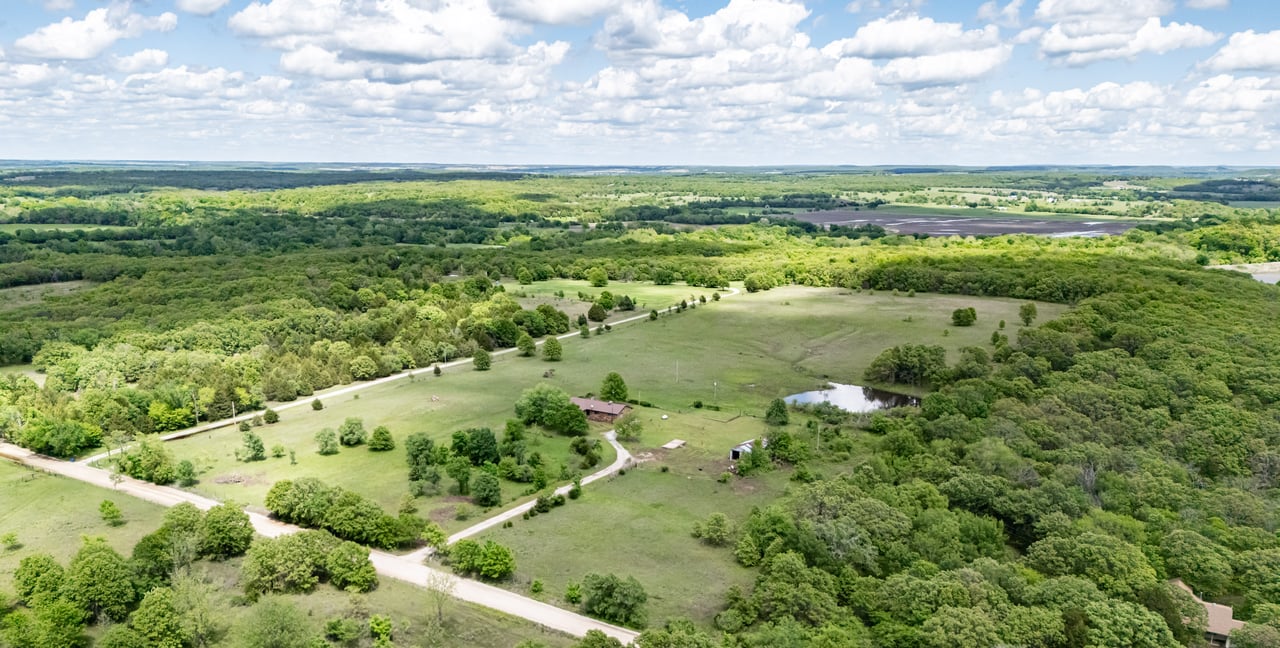
Outside city limits, the service model becomes more independent. Montgomery County does not provide water service or trash service, so rural buyers usually need to identify the correct rural water district for the property and arrange private trash pickup.
That added flexibility appeals to many buyers, especially those looking for more land or a more self-directed property setup. At the same time, it usually comes with more research and more ongoing oversight.
Water, Wells, and Wastewater
In rural Montgomery County, water and wastewater can vary from one property to the next. A home may be served by a rural water district, a private well, or another approved setup depending on location.
The county sanitary code also regulates onsite wastewater systems such as septic systems and lagoons. It addresses individual water wells, well construction permits, and the maintenance and testing of private water supplies.
For you as a buyer, that means it is important to understand exactly what serves the home before you close. Rural ownership can involve more system checks and more personal responsibility for water quality and wastewater performance.
Environmental Health Support
Montgomery County’s Environmental Health office can help point owners to the correct rural water district. The office also provides support related to private water sources, including lab services for water wells.
That local support is helpful, but it does not replace the need to ask detailed property-specific questions. With rural homes, understanding the system is part of understanding the property.
Septic Inspection Rules to Know
One especially important local detail involves onsite wastewater systems. According to the county sanitary code, properties of less than 25 acres with an individual onsite wastewater system must be inspected when there is a prospective sale, lease, or rental.
This matters if you are buying now and may sell, rent, or divide the property later. It is one of those practical rural details that can affect both your transaction and your future plans.
Road Access and Maintenance Feel Different
Another big lifestyle difference is the road system around the home. The City of Independence handles urban street work such as maintenance, snow and ice control, and alley service inside town.
Montgomery County, by comparison, maintains about 1,060 miles of roads, including 740 miles of gravel and dirt roads. That does not mean every rural road is difficult, but it does mean road conditions can vary more from property to property.
If you are considering a country home, it is smart to look closely at the type of road serving the property. You may also want to think about driveway and approach upkeep as part of your long-term ownership costs and routine.
Property Taxes: It Depends on the Property
A common assumption is that country living always means lower property taxes. In reality, Kansas property taxes depend on several factors, and the result is not the same for every home.
Kansas property tax is based on annual valuation as of January 1. County appraisers determine value, local budgets and assessed value help produce the mill levy, and the county clerk computes final mill levies for each tax unit.
Residential Assessment in Kansas
Kansas residential real property is assessed at 11.5% of value. That applies to residential real estate generally, whether the home is in town or outside city limits.
Because tax bills also reflect appraised value and mill levies, the most accurate way to compare homes is property by property. A lower list price or a rural location alone does not tell the full tax story.
Agricultural-Use Valuation Can Affect Acreage
Land devoted to agricultural use is valued under agricultural-use rules instead of standard market valuation. So if you are buying a rural property with acreage, part of the tax profile may depend on how that land is classified.
That is why two country properties can have very different tax outcomes. If acreage is part of your search, it is worth asking how the land is currently classified and how that could affect future taxes.
Local Value Trends Matter Too
Montgomery County’s appraiser reported an overall inflationary trend of 3% for the 2026 valuation-year market study. At the same time, individual parcels may differ because of property changes, neighborhood sales, and equalization adjustments.
The takeaway is simple: do not assume. A good comparison looks at appraised value, assessment class, mill levies, and whether any land may qualify for agricultural-use treatment.
How to Decide Which Lifestyle Fits You
If you want a home where more services are built into one municipal system, in-town Independence may be the better match. For many buyers, that means a more predictable routine with fewer separate service arrangements.
If you want more land, more separation, and a property setup that gives you more control, country living may be worth the extra responsibility. Just be ready to evaluate utilities, wastewater, road access, and service providers more carefully.
Neither path is one-size-fits-all. The best choice is the one that supports how you actually want to live, maintain your property, and plan for the future.
Questions to Ask Before You Buy
Whether you are comparing homes in town or outside city limits, a few questions can help you make a smarter decision:
- What utility system serves the home?
- Is wastewater handled by city sewer, septic, or lagoon?
- Is the water source city water, a rural water district, or a private well?
- Who handles trash service?
- Is the road to the property paved, gravel, or dirt?
- How might taxes change if part of the land is classified for agricultural use?
- If the property has an onsite wastewater system, are any inspections required for the sale?
These questions can help you see beyond square footage and land size. They also give you a clearer picture of monthly responsibilities and long-term ownership costs.
If you are weighing in-town convenience against country flexibility around Independence, local details matter. Working with someone who understands both everyday homes and small-acreage properties can make the comparison much easier. When you are ready to explore your options, connect with Kristina Fulk for trusted local guidance and full-service support.
FAQs
What is the main difference between in-town and country living around Independence KS?
- The biggest difference is usually how services are set up. In town, many services are handled through the City of Independence, while rural properties often require separate arrangements for water, trash, and wastewater systems.
Does Montgomery County provide water or trash service for rural homes?
- No. Montgomery County does not provide water service or trash service, so rural owners usually need to work with the correct rural water district and arrange private trash pickup.
Are septic systems common in rural areas near Independence KS?
- Yes, rural properties may use onsite wastewater systems such as septic systems or lagoons, and those systems are regulated under the Montgomery County sanitary code.
Do rural properties near Independence KS need septic inspections when sold?
- Properties under 25 acres with an individual onsite wastewater system are subject to mandatory inspection under the county sanitary code when there is a prospective sale, lease, or rental.
Are property taxes lower in the country around Independence KS?
- Not always. Property taxes depend on appraised value, assessment class, mill levies, and whether any acreage qualifies for agricultural-use valuation.
What services are included for homes inside Independence city limits?
- City services include water, wastewater, sanitation, street services, and access to items such as brush pickup, leaf pickup, recycling drop-off, bulky-item services, and snow and ice control.
What should buyers ask about a country home near Independence KS?
- Buyers should ask about the water source, wastewater system, trash service, road type, possible agricultural-use tax treatment, and whether any required inspections apply to the property.