Buying your first home in Independence can feel exciting and a little overwhelming. You want a clear path, honest numbers, and local guidance you can trust. The good news is that Southeast Kansas offers approachable prices and options that work well for first-time buyers. In this guide, you’ll learn a simple step-by-step plan, what costs to expect, loan programs that fit small-town buyers, and how to shop smart for homes in and around Independence. Let’s dive in.
What to expect in Independence
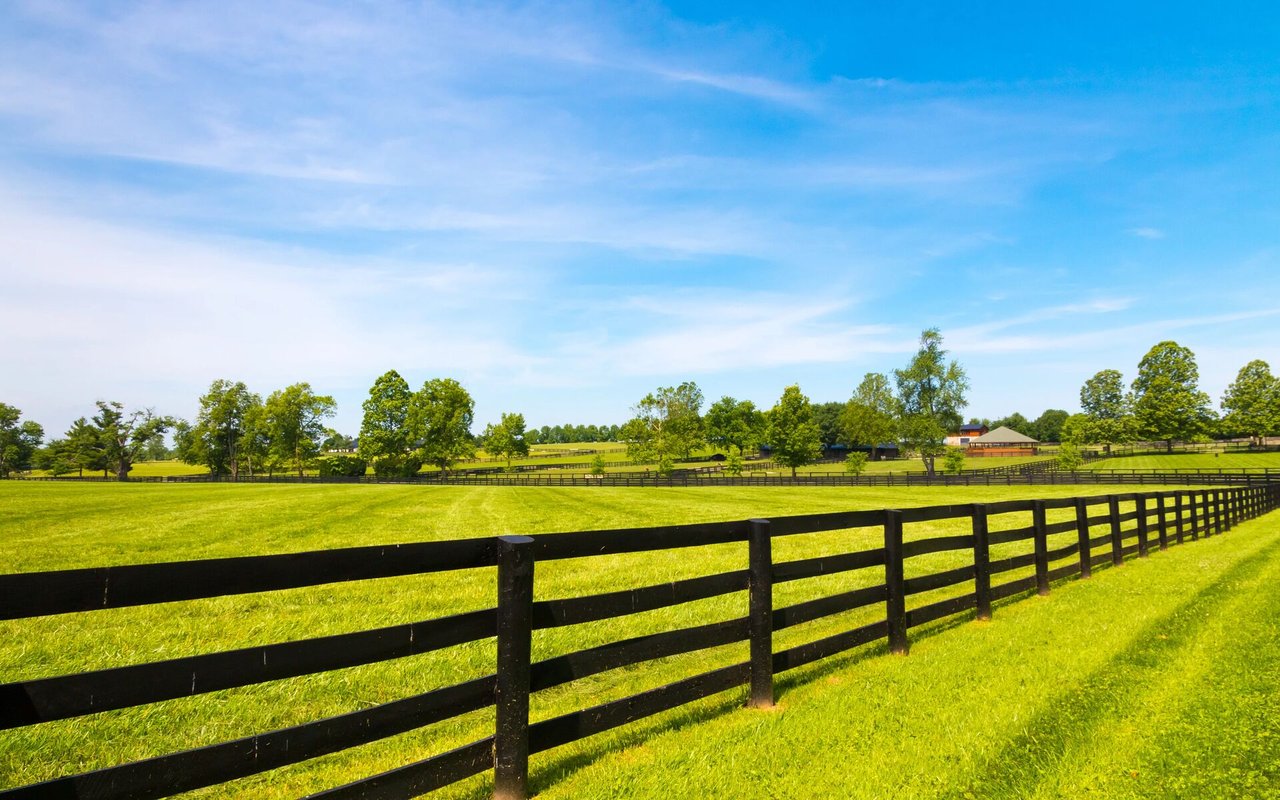
Independence is a small city in Montgomery County with a friendly pace and a mix of in‑town homes, manufactured homes, and small acreage properties. Prices are generally lower than in larger metro areas, which helps first-time buyers enter the market.
Because it is a smaller market, listings can appear in waves. You may need to watch the market closely and be ready to act when the right home hits. New inventory can be intermittent, and due diligence for rural properties can take a little longer.
Step 1: Get pre‑approved
Pre‑approval is your starting line. A lender reviews your income, assets, credit, and debts to issue a pre‑approval letter. This shows sellers you are serious and helps you set a clear budget.
Timeline: 1 to 7 days, depending on how fast you provide documents.
Ask each lender:
- What is my maximum purchase price and monthly payment estimate?
- Which loan programs fit me best and why?
- What are your rates, lender fees, and typical closing timelines?
- How often do you work with USDA, FHA, or state assistance programs?
Tip: Get quotes from at least two lenders and ask for all fees and program restrictions in writing.
Step 2: Define your search
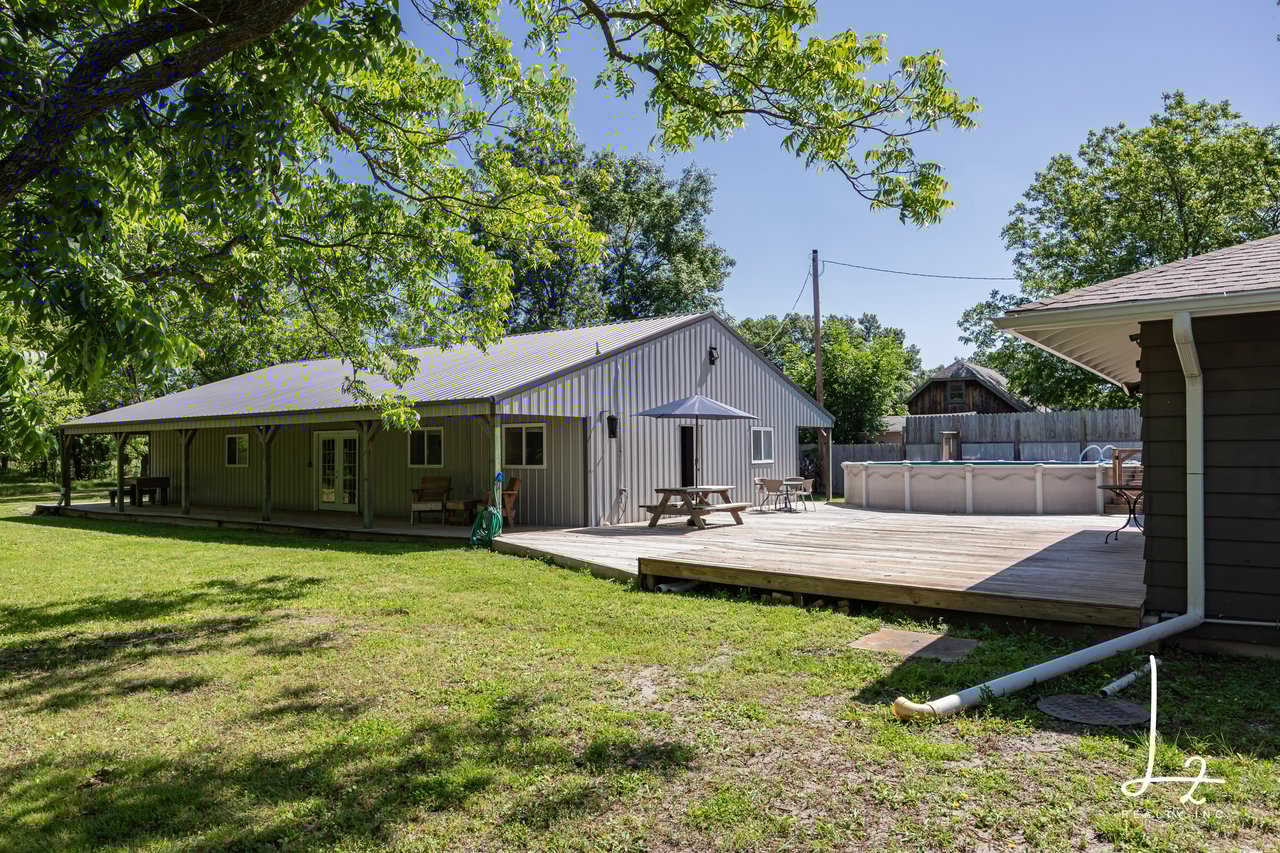
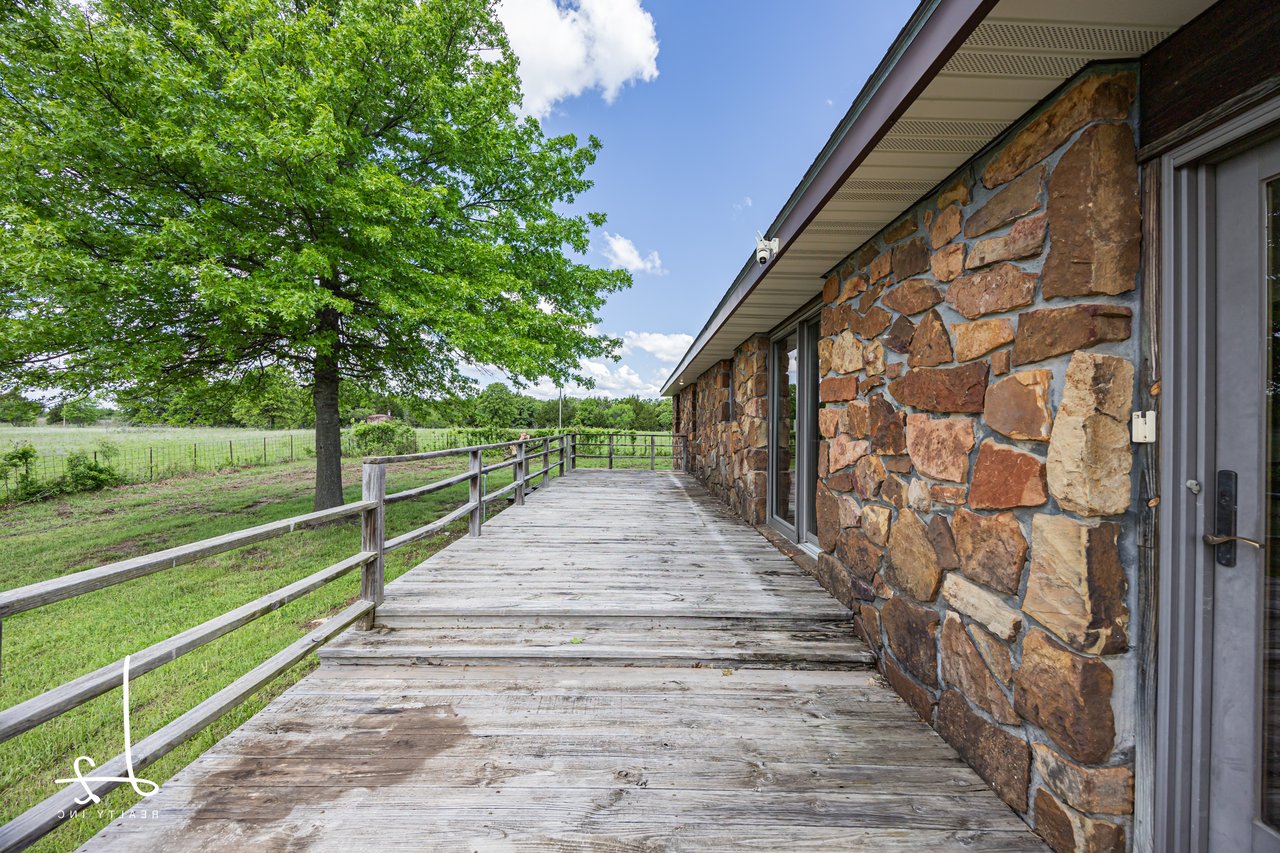
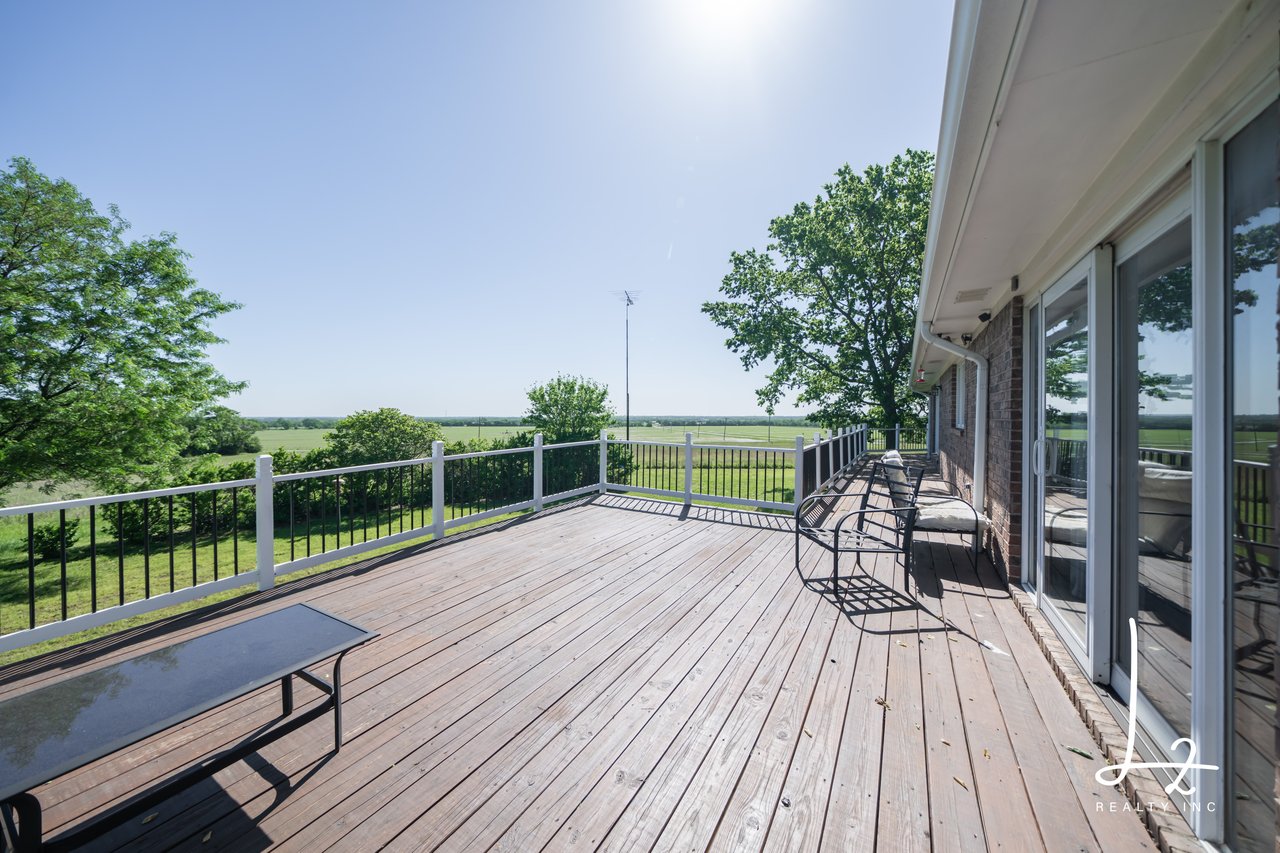
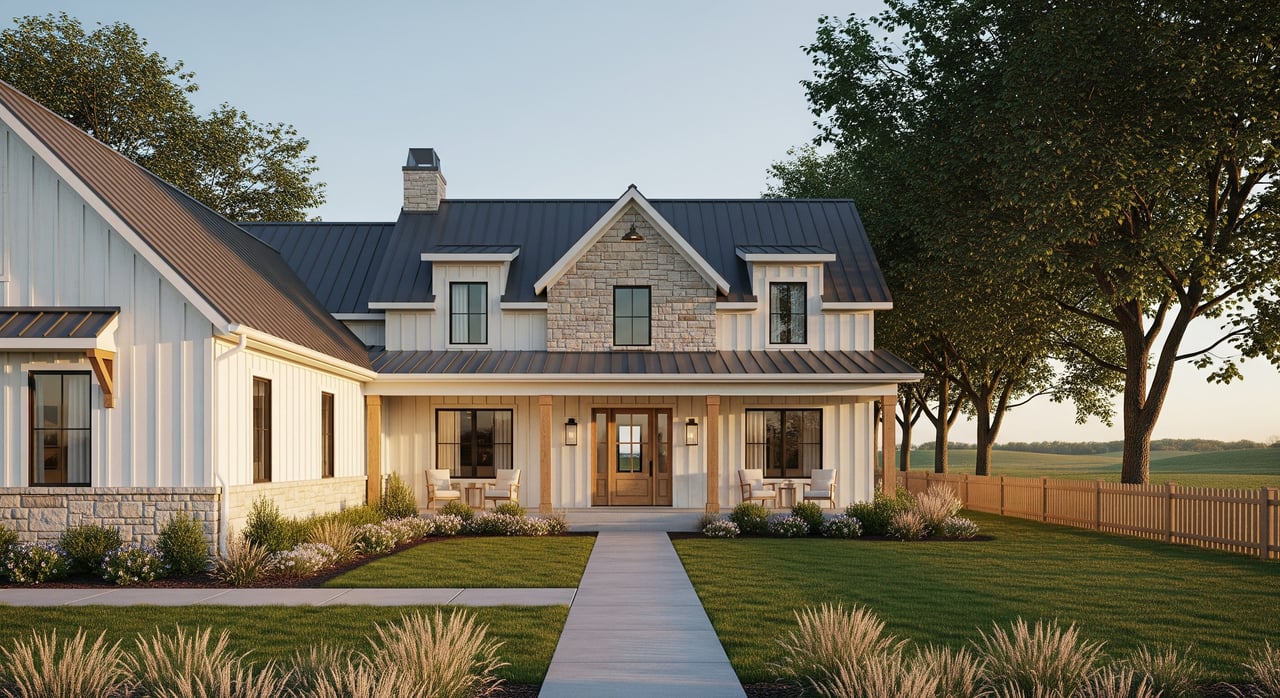
Decide where and how you want to live. In town, you’ll find older bungalows and ranches near services. On small acreage outside city limits, you may gain privacy and space for outbuildings.
Create your must‑have list:
- Location preferences: in town vs small acreage
- Home size and layout
- Garage, shop, or outbuilding needs
- Utility preferences: city water and sewer vs well and septic
If schools matter in your decision, verify boundaries and bus routes directly with the local district. Drive target streets at different times of day and check utilities and road conditions.
Step 3: Tour homes and act fast
In a smaller market, the right home may not come up every week. Set alerts with your agent and schedule showings quickly when a promising listing appears.
Typical timeline: 2 weeks to several months, depending on your criteria and inventory.
Step 4: Make an offer
When you find the one, your agent will help you draft a strong offer with protective contingencies. Common contingencies include financing, inspection, appraisal, and title review.
Offer timelines in small towns vary. Some sellers respond same day, while others take a few days. Your agent will advise on local norms and strategy.
Step 5: Due diligence and underwriting
Once under contract, you move into inspections, appraisal, title work, and mortgage underwriting.
Typical contract‑to‑close: 30 to 45 days for conventional or FHA loans. USDA loans may add extra time for eligibility steps.
Inspections
Schedule your general home inspection right away. If you are buying rural or acreage property, plan for well and septic inspections and water testing. Allow 7 to 14 days to schedule and complete inspections.
What to check based on property type:
- In‑town homes: roof age, foundation and settling, electrical system type, HVAC age
- Manufactured homes: permanent foundation status, anchoring and skirting, plumbing and electrical
- Acreage: well yield and water quality, septic function, access easements, boundary survey needs, zoning and land‑use restrictions
Appraisal
Your lender orders the appraisal to confirm the home’s value supports the loan. This often takes 7 to 14 days.
Title and survey
A title company will search deed records and prepare title insurance. Ask about any common local exceptions and typical timelines. If the property boundaries are unclear or an older survey exists, consider ordering a new survey.
Closing day
You will sign final loan and title documents and receive the keys. Closing is typically in person and takes about an hour. The date is set in your contract, with coordination among your lender, title company, and agent.
Budget: upfront and ongoing costs
Understanding costs helps you plan with confidence.
Down payments by loan type:
- Conventional: 3% to 20% down. Less than 20% usually requires private mortgage insurance.
- FHA: minimum 3.5% down, with mortgage insurance required.
- VA: 0% down for eligible veterans and service members.
- USDA: 0% down for eligible rural properties.
Closing costs: Plan for about 2% to 5% of the purchase price, including lender fees, title services, recording, and prepaid taxes and insurance. The range is supported by the Consumer Financial Protection Bureau’s guidance on what closing costs include. You can ask sellers to contribute toward closing costs, subject to loan program limits.
Prepaids and recurring costs:
- Property taxes vary by assessed value and county mill levies. Check current information with the Montgomery County Appraiser’s Office.
- Homeowners insurance depends on the home’s age, features, and location.
- Mortgage insurance applies on FHA loans and conventional loans with less than 20% down.
- Utilities and maintenance are ongoing; acreage often adds well, septic, fencing, and equipment costs.
Inspection and testing costs:
- General home inspection is often a few hundred dollars, depending on size and scope
- Septic inspection and pump, plus well water testing for rural homes
- Pest or termite inspection if required
- Radon testing is inexpensive and recommended where prevalence is known to be moderate to high
Loans and assistance programs
Your best loan depends on your budget, credit, and goals. Confirm current details with your lender and state agencies.
Conventional loans
Conventional loans often fit buyers with higher credit scores and some savings. Some first‑time buyer options allow as little as 3% down, subject to program rules.
FHA loans
FHA offers flexible credit guidelines and a minimum 3.5% down payment. Mortgage insurance applies. For more background on the process, review HUD’s guide to buying a home.
VA loans
Qualified veterans and active‑duty service members can buy with zero down and no private mortgage insurance. Ask your lender about eligibility, funding fees, and occupancy requirements.
USDA Rural Development loans
USDA loans offer zero down payment on eligible rural properties. Eligibility is both property‑based and income‑based. Verify each address on the USDA property eligibility map and ask your lender to confirm program details.
Kansas down payment help
Kansas Housing Resources Corporation runs state programs that can help with down payment and closing costs for eligible first‑time buyers. Program names, amounts, and limits change, so review the current options on the KHRC homebuyer page, then confirm details with your lender.
Homebuyer education and counseling
Free or low‑cost counseling can help you build a budget, compare loans, and avoid common pitfalls. Find HUD‑approved nonprofit providers using HUD’s find a housing counselor tool.
Property types and what to look for
Independence and the surrounding countryside offer a wide variety of homes. Tailor your due diligence to the property type.
In‑town single‑family homes
Many in‑town homes were built in the mid‑20th century. Ask about roof age, foundation movement, and electrical system type. If the home has older wiring or an aging HVAC system, consider specialist evaluations during inspection.
Manufactured and mobile homes
Financing depends on whether the home is on a permanent foundation and how it is titled. Lenders often require HUD labels or serial numbers. Inspect anchoring, skirting, plumbing, and electrical carefully.
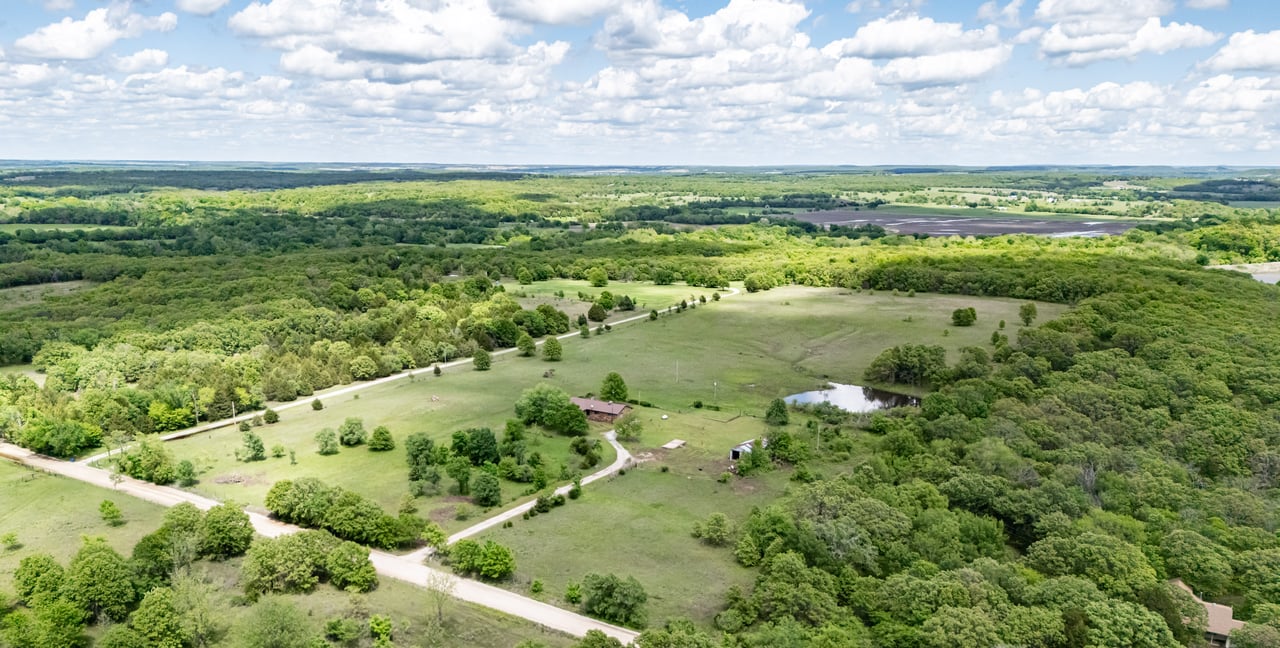
Small acreage and rural parcels
If you want space for a shop, animals, or a garden, plan extra due diligence:
- Well water quality and yield
- Septic inspection and permit records
- Access easements and road maintenance responsibility
- Zoning and land‑use restrictions
- Floodplain status and any county floodplain ordinances
- Survey and boundary verification
- Utility availability for electric, gas or propane, and broadband
Older or historic homes
Budget for potential updates to systems and possible environmental concerns such as lead paint or asbestos. Ask your inspector about recommended testing and safety steps.
Health and environmental checks
Radon can appear in some Midwestern homes. Testing is affordable and quick. If you are buying acreage, also check for any legacy agricultural or industrial issues using local records.
If you are buying acreage
Buying land with a home adds a few extra steps. Use this quick checklist:
- Verify well and septic condition with licensed pros
- Confirm access easements, road agreements, and driveway ownership
- Order a boundary survey if corners are unclear
- Check zoning, animal limits, and any conservation easements
- Review floodplain maps and insurance needs
- Estimate ongoing costs such as fencing, equipment, and gravel or driveway upkeep
Independence timeline at a glance
- Preliminary research: 1 to 7 days
- Lender pre‑approval: 1 to 7 days
- Home search and tours: 2 weeks to several months
- Offer and negotiation: 1 to 7 days
- Due diligence and underwriting: 30 to 45 days typical
- Closing day: 1 day in person
USDA loans and rural properties can add time for eligibility checks and specialty inspections.
Smart next steps
- Start with pre‑approval so you shop with confidence and move fast when the right listing appears.
- Work with a local agent who understands Independence, area title companies, and the unique inspection issues common to older homes and acreage.
- Compare two lender quotes side by side. Use the CFPB’s resources on mortgage shopping and disclosures to understand your Loan Estimate and fees.
- Schedule inspections early and add specialty tests for wells, septic, radon, or surveys as needed.
- Verify eligibility for USDA and any state assistance before you write an offer on a specific home.
- Keep copies of county records and ask the seller for utility, tax, and maintenance history.
If you want a calm, step‑by‑step plan and a local pro in your corner, reach out to Kristina Fulk. You will get white‑glove guidance, clear communication, and a strategy tailored to Independence and Southeast Kansas so you can move with confidence.
FAQs
How much should a first‑time buyer save in Independence?
- Plan for your down payment by loan type, plus 2% to 5% for closing costs and some extra for repairs or emergencies.
Can I buy with a small down payment in Southeast Kansas?
- Yes. FHA allows 3.5% down. Some conventional programs allow 3% down. VA and USDA can offer zero down for eligible buyers and properties.
Are USDA loans available inside Independence city limits?
- Possibly. USDA eligibility is property specific and income based. Check each address on the USDA eligibility map and confirm details with your lender.
Where can I find Kansas down payment assistance?
How do property taxes work in Montgomery County?
- Taxes are based on assessed value and county mill levies. Contact the Montgomery County Appraiser for current rates and example tax bills.
Do I need a local real estate agent in a small market?
- A local agent helps you spot new listings quickly, structure offers that fit local norms, coordinate rural property inspections, and navigate local title companies.
Should I test wells and septic systems on rural homes?
- Yes. Always inspect septic systems and test well water before removing contingencies. Add timelines for specialist evaluations into your contract.