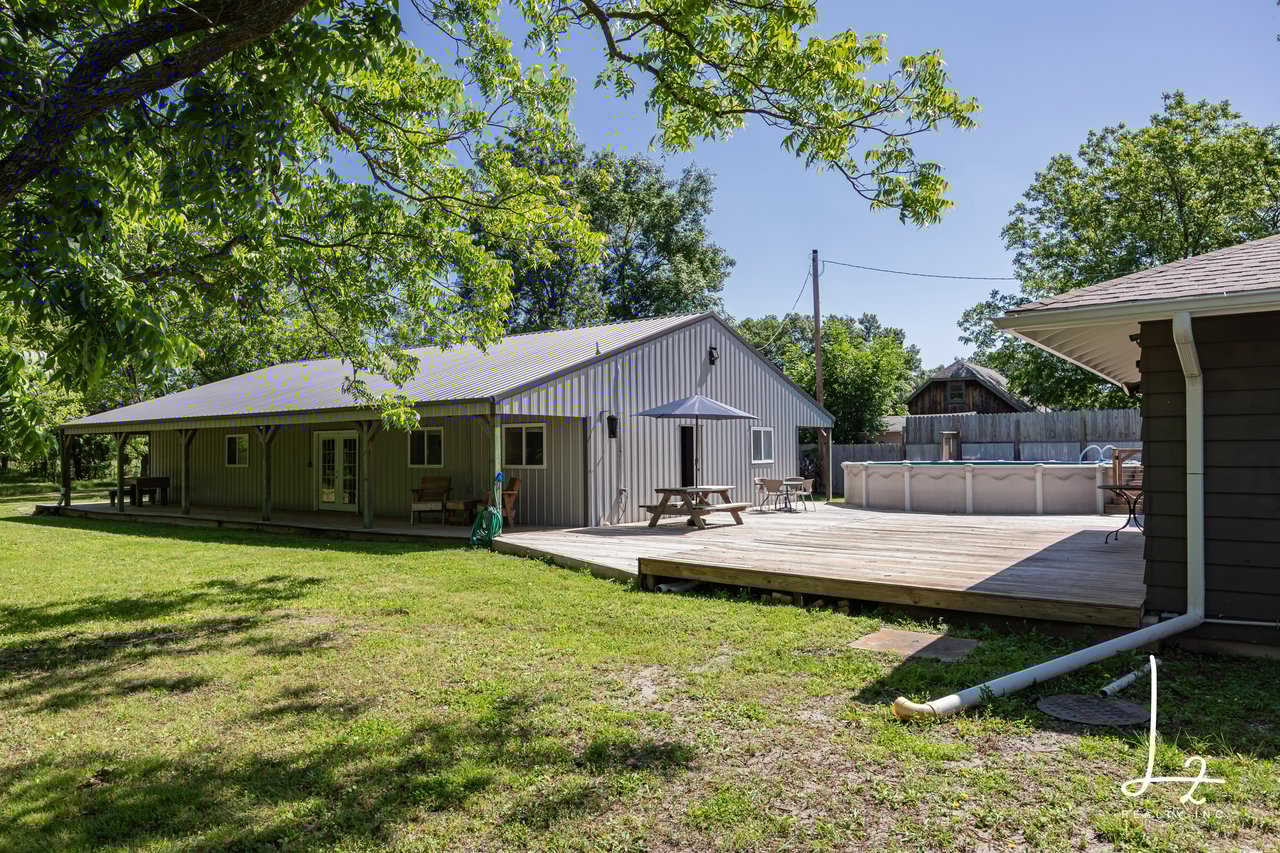
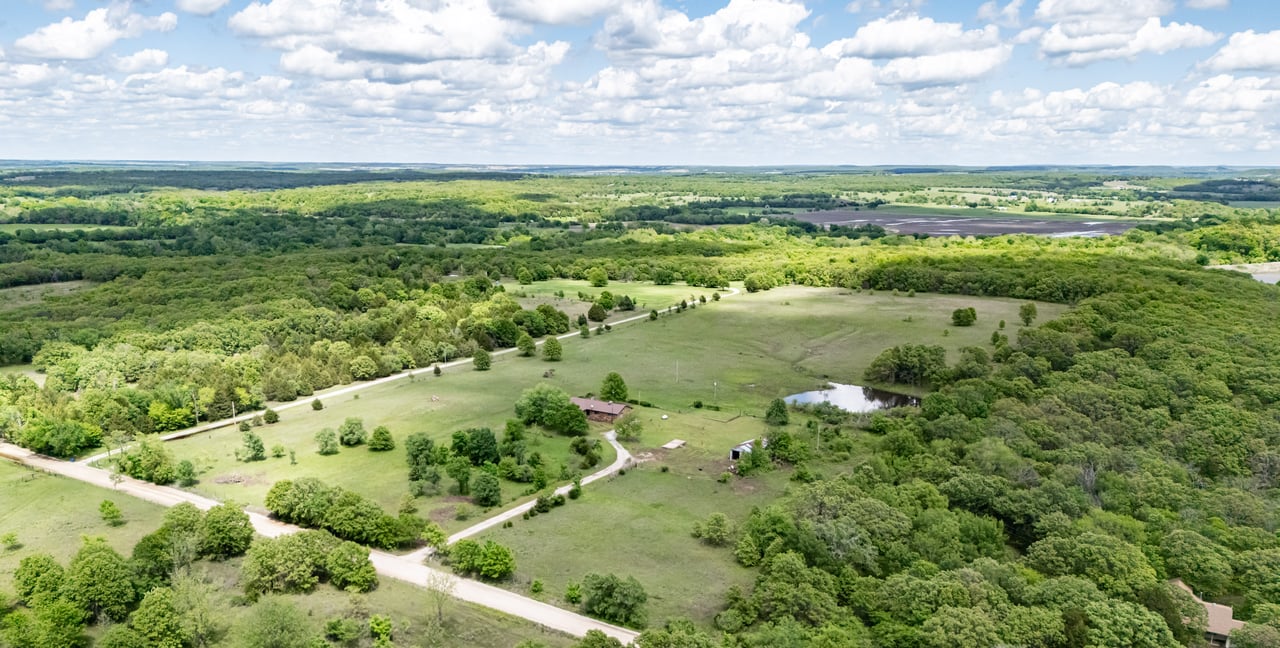
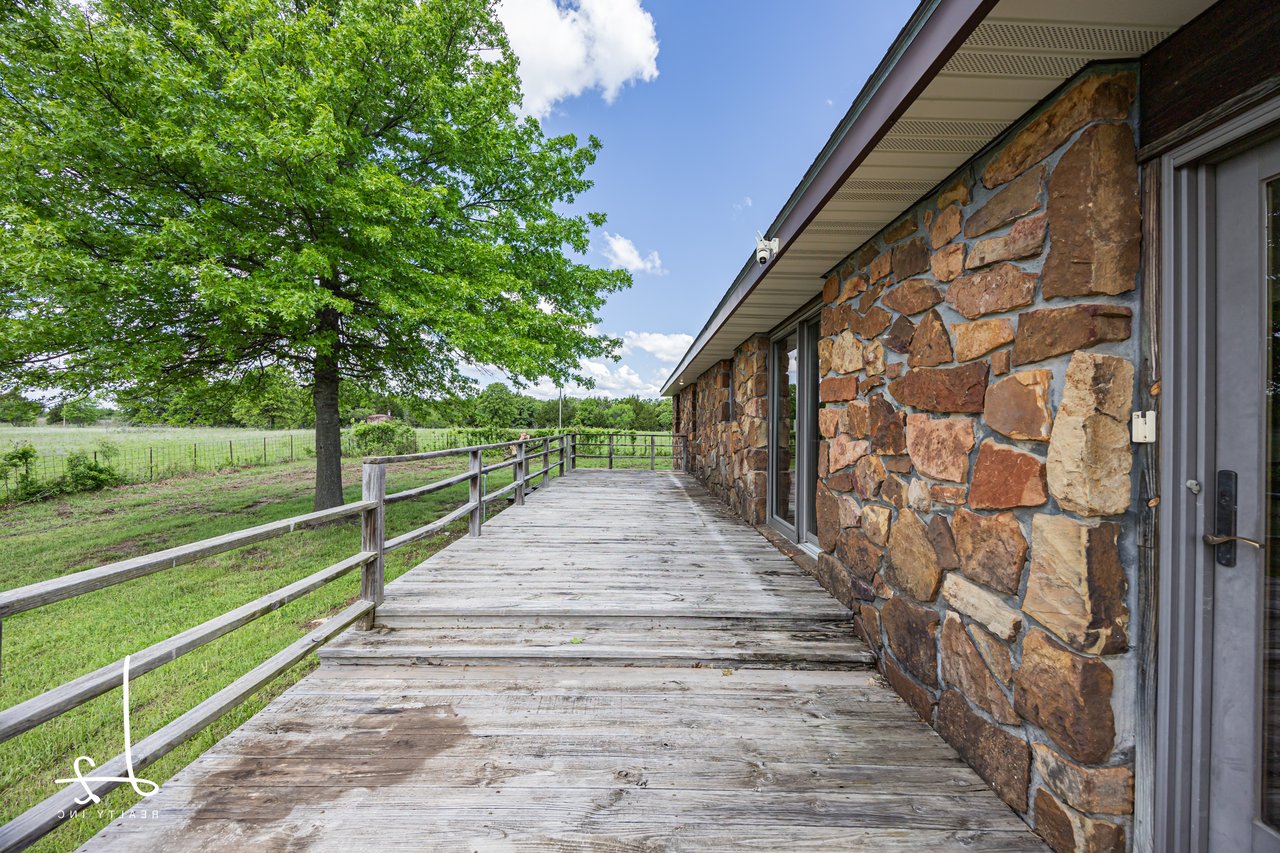
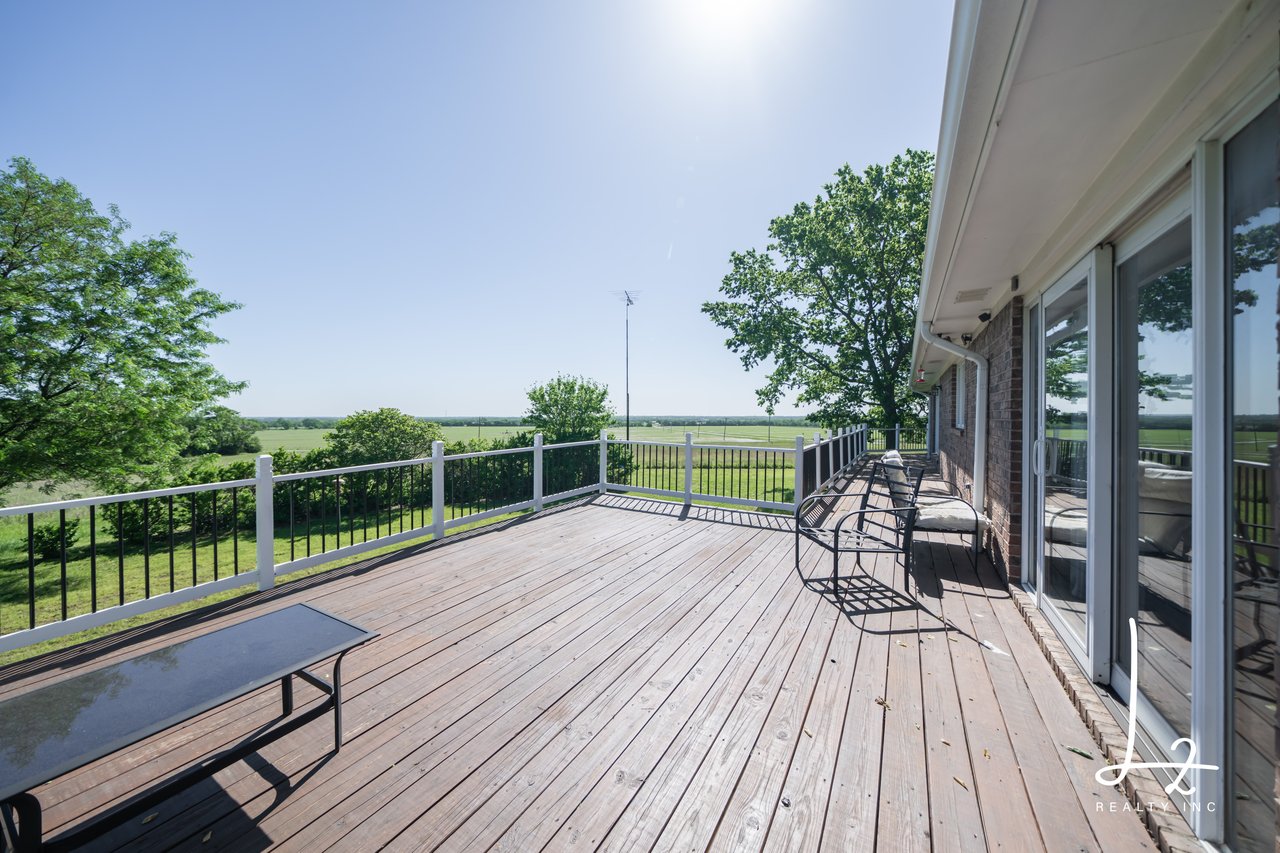
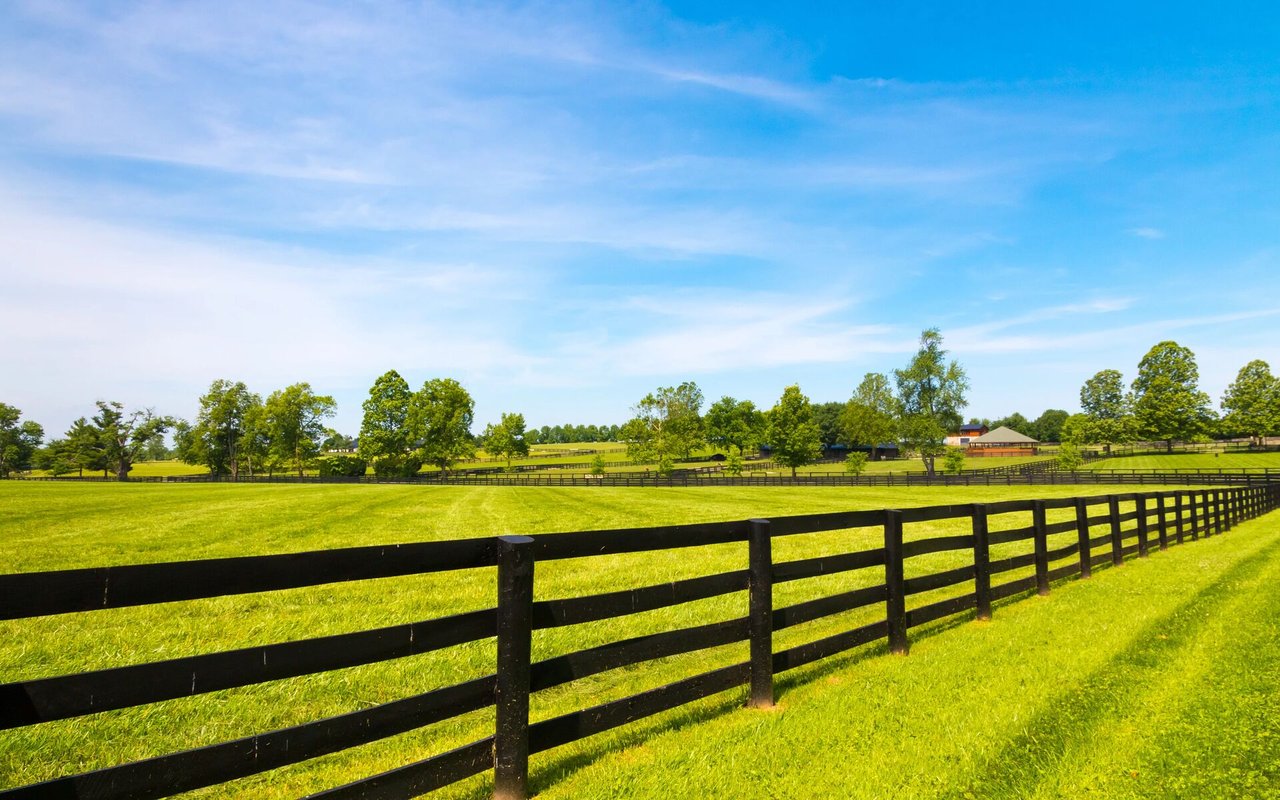
Picture your own slice of country near Independence: a garden, a few chickens, maybe a small barn and wide skies. If that vision includes a small acreage or hobby-farm property, you’ll want to look a little deeper than a typical in-town home. Southeast Kansas has unique water, septic, access, and financing details that can make or break your plans. This guide gives you a practical, local checklist so you can write a strong, safe offer and move with confidence. Let’s dive in.
Why Independence acreage is unique
Montgomery County has its own Environmental Health and Zoning office that handles permits, wastewater, and well screening. Before you plan improvements or assume a past project was permitted, review the county’s process and fees through the county’s Environmental Services and Zoning page: Montgomery County Environmental Health & Zoning.
Water deserves extra attention here. The Kansas Geological Survey reports complex local geology with saline or mineralized groundwater in parts of the county, and some areas have historical oil-field brine issues. Review the KGS Montgomery County groundwater report and plan careful well testing.
Good records matter too. The county’s parcel GIS is your first stop to confirm boundaries, road classification, and recorded easements. Start with Montgomery County GIS Mapping.
Ten quick red flags to check
Scan for these before you write an offer. If any apply, build in the right inspections or contingencies.
- No well log or unclear water source. In Montgomery County, well quality varies. Ask for the KDHE WWC-5 well log and recent lab tests. KDHE’s Water Well Program explains required records and contractor licensing.
- Poor or untested water quality. Minimum testing should include coliform, E. coli, nitrate/nitrite, total dissolved solids, and in this area, chloride and sulfate due to brine risk. K-State offers guidance on private wells in its well safety update.
- Septic system with no permit or as-built. Ask for the county permit, as-built sketch, and pumping records. KDHE’s septic standards are clear about design and maintenance in Bulletin 4-2.
- Access on a private drive with no recorded agreement. If maintenance is not spelled out, you may face future disputes. Use the county GIS and Register of Deeds to verify an ingress-egress easement and a maintenance agreement.
- Severed mineral rights or active leases. If minerals are reserved, future drilling could impact the surface. Ask title to confirm reservations and check KGS oil and gas history.
- Outbuildings used mainly for commercial production. USDA loans require the property be predominantly residential. See USDA’s property rules in HB-1-3555, Chapter 12.
- Signs of septic failure. Wet spots, strong odors, or unusually green patches near the drain field suggest trouble. Require a permitted inspection and plan for a soil or perc test if expansion is needed.
- Fencing confusion. Who owns and maintains boundary fences can be a legal and neighbor issue. Get any past agreements in writing and verify boundary lines before altering fences.
- Property tax surprises. Kansas uses agricultural classification rules. Agritourism activities do not automatically change agricultural status, and improvements tied to agritourism can be assessed at 25 percent. Review the state’s Agritourism FAQ and ask the county appraiser how the parcel is currently classified.
- Insurance or fire coverage gaps. Rural distances from hydrants or volunteer response areas can raise premiums. Get quotes early and confirm access for fire apparatus.
Water: wells and rural water
If the property has a private well, collect every record you can. KDHE requires licensed well construction and filing of a WWC-5 well log. Ask the seller for the log, any past lab tests, and pump service notes. You can review contractor guidance and advisory areas on the KDHE Water Well Program page.
Plan targeted water testing. At a minimum, order bacterial tests (total coliform and E. coli) plus nitrate and nitrite. In Montgomery County, also include total dissolved solids and chloride due to known brine risks. If nearby properties have agricultural or industrial use, consider additional tests for hydrocarbons. K-State offers practical sampling tips in its private well guidance.
If rural or city water is available, confirm connection points and line-extension costs. If the home relies on a neighbor’s well, require a perpetual, recorded easement that covers access, maintenance, and water sharing. USDA underwriting expects a reliable, enforceable supply, so line up those documents early if you plan to use a USDA loan.
Septic: verify and inspect
Septic systems must meet KDHE minimum standards, and Montgomery County issues wastewater permits and inspections. Ask the seller for the septic permit, the as-built sketch, and pumping or repair records. If any documents are missing, build a full septic inspection into your contract.
During your visit, look for standing water, sewage odors, or lush patches over the drain field. If the home was expanded or bedroom count changed, confirm the tank and lateral field are properly sized. Where soils are limiting, KDHE rules allow alternatives like aerobic treatment, sand filters, or mound systems. The design and repairs should follow KDHE Bulletin 4-2 and any county requirements.
Soils and pasture planning
Healthy soil supports gardens, lawns, and livestock. Order a basic soil fertility test for lawn and pasture. The K-State Research and Extension Wildcat District can help with soil sampling, forage mixes, and pasture care for Southeast Kansas. Start with the Wildcat District agriculture page.
Use the NRCS Web Soil Survey to screen for septic limitations and pasture productivity. Ask about drainage and existing grasses, and estimate fencing needs before you commit. A short call with the extension office can save you time and money by matching seed mixes and maintenance plans to local conditions.
Fencing has both technical and legal sides. Materials, spacing, and gates matter, and so do responsibilities for upkeep. Since practices can vary, confirm local expectations and consider a simple written agreement with neighbors for boundary-fence maintenance and gate access.
Outbuildings and your financing
Barns, shops, and sheds are common on small acreages. If you plan to use a USDA Single Family Housing loan, make sure the property remains predominantly residential. Buildings that are used mainly for commercial agricultural production can make the home ineligible under USDA rules. Review the property and appraisal guidance in USDA HB-1-3555, Chapter 12 and discuss any active livestock or crop operations with your lender up front.
Before you expand or add outbuildings, contact Montgomery County Environmental Health and Zoning to confirm setbacks and permit needs. A quick pre-check can prevent surprises during appraisal or closing.
Access, roads, and minerals
Confirm how you get to the property and who maintains the road. If the route is a county-maintained road, note that for your insurer and lender. If access is via a private drive, require a recorded ingress-egress easement and a clear maintenance agreement. Use Montgomery County GIS Mapping to verify road classification and right of way.
Southeast Kansas has a long oil and gas history. Mineral rights are sometimes severed from the surface estate, and past or active leases can affect future use. Ask your title company to flag mineral reservations and pipeline easements in the commitment. For background on local groundwater and historic oil-field impacts, consult the KGS Montgomery County report.
Taxes, insurance, and fire protection
Kansas values agricultural land based on use value when it is devoted to agricultural use. If you plan agritourism events or similar activities, know that enrollment alone does not automatically change classification. Improvements tied to agritourism are often assessed at 25 percent. Review the state’s Agritourism FAQ and confirm current classification with the county appraiser.
Rural homes can carry higher fire insurance premiums due to distance from hydrants and volunteer response times. Get quotes early and be ready to share access details, driveway width and condition, and water sources. If you need a USDA loan, discuss site utilities and access expectations with your lender, since those items can affect underwriting timelines.
Your offer: smart contingencies
Protect your purchase with clear timelines and documents. Consider adding these items to your contract:
- Water testing contingency. Require a complete lab panel that includes coliform, E. coli, nitrate/nitrite, total dissolved solids, and chloride in Montgomery County. Make closing conditional on acceptable results and lender approval.
- Septic inspection contingency. Require a permitted inspection, proof of county permits, and an as-built sketch. If repairs are needed, request estimates and permits before closing.
- Access and easement confirmation. Make the sale contingent on a recorded ingress-egress easement and a written maintenance agreement for any private drive.
- Title and mineral rights review. Ask for a preliminary title commitment that identifies mineral reservations, pipeline easements, and any active leases. Give yourself time to consult title for surface protections if minerals are severed.
- Zoning and permit check. Confirm county setbacks, allowed uses for small animal operations or agritourism, and any needed permits for outbuildings.
- Financing fit. If using USDA, confirm property eligibility and predominant residential use. Review USDA HB-1-3555, Chapter 12 with your lender and appraiser.
- Insurance quotes. Make closing conditional on insurability within your budget.
Timeline tip: Allow 2 to 4 weeks for water and septic testing and county inspections, and 2 to 6 weeks for lender underwriting and appraisal once inspections are complete. Build in extra time if remediation, a new septic, or well work is likely.
Local contacts at a glance
- Montgomery County Environmental Health & Zoning: 620-330-1190
- Montgomery County GIS/Appraiser: 620-330-1050
- K-State Research & Extension, Wildcat District (Independence): 620-331-2690
- KDHE Water Well Program (Topeka, see website for contacts)
- USDA Rural Development Single Family Housing, Kansas (see program pages for contacts)
Final thoughts
Buying small acreage near Independence can be incredibly rewarding, but it pays to verify the details that are unique to Southeast Kansas. With the right testing, records, and contingencies, you can protect your plans for a garden, a few animals, or a shop without unwelcome surprises. If you want a local partner who knows the county processes, common red flags, and the right specialists to call, connect with Kristina Fulk. You will get steady guidance and clear communication from first tour to keys in hand.
FAQs
What well tests should a Montgomery County buyer order?
- Order coliform and E. coli, nitrate and nitrite, total dissolved solids, and chloride in this area due to brine risk, and add sulfate or hydrocarbons if nearby uses suggest it.
How do USDA loans view barns and hobby farms?
- USDA requires the property be predominantly residential, so buildings used mainly for commercial agricultural production can make it ineligible under HB-1-3555 rules.
Who maintains a private road to a rural home?
- Maintenance should be spelled out in a recorded ingress-egress easement and a written maintenance agreement among owners who share the drive.
How do mineral rights affect a small-acreage purchase?
- If minerals are severed or leased, a third party may control subsurface rights, so ask title to confirm any reservations and review easements that could affect surface use.
How long does due diligence take for acreage near Independence?
- Plan 2 to 4 weeks for water and septic testing and county inspections, plus 2 to 6 weeks for lender appraisal and underwriting after inspections are complete.
Can you switch from a private well to rural water?
- Sometimes, but you must confirm service availability, tie-in points, and line-extension costs with the provider, and then decide if the cost makes sense for your plans.